
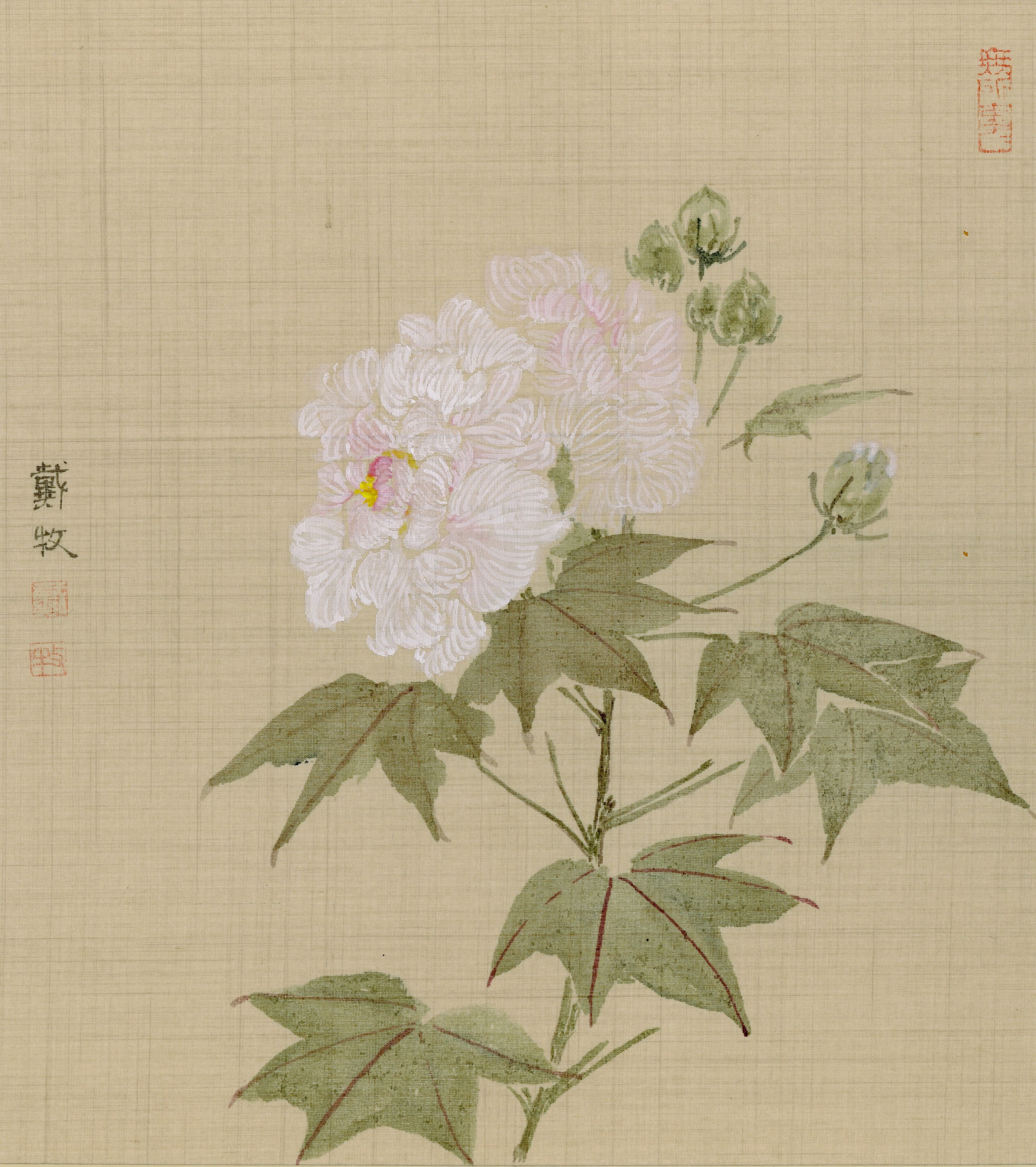
Across this group of twelve botanical works, Dai Mu sustains a practice rooted in close observation of everyday nature. Flowers, fruit, and seasonal plants are not treated as decorative motifs or symbolic devices, but as moments of life encountered at specific points in time—seen, recorded, and quietly preserved.
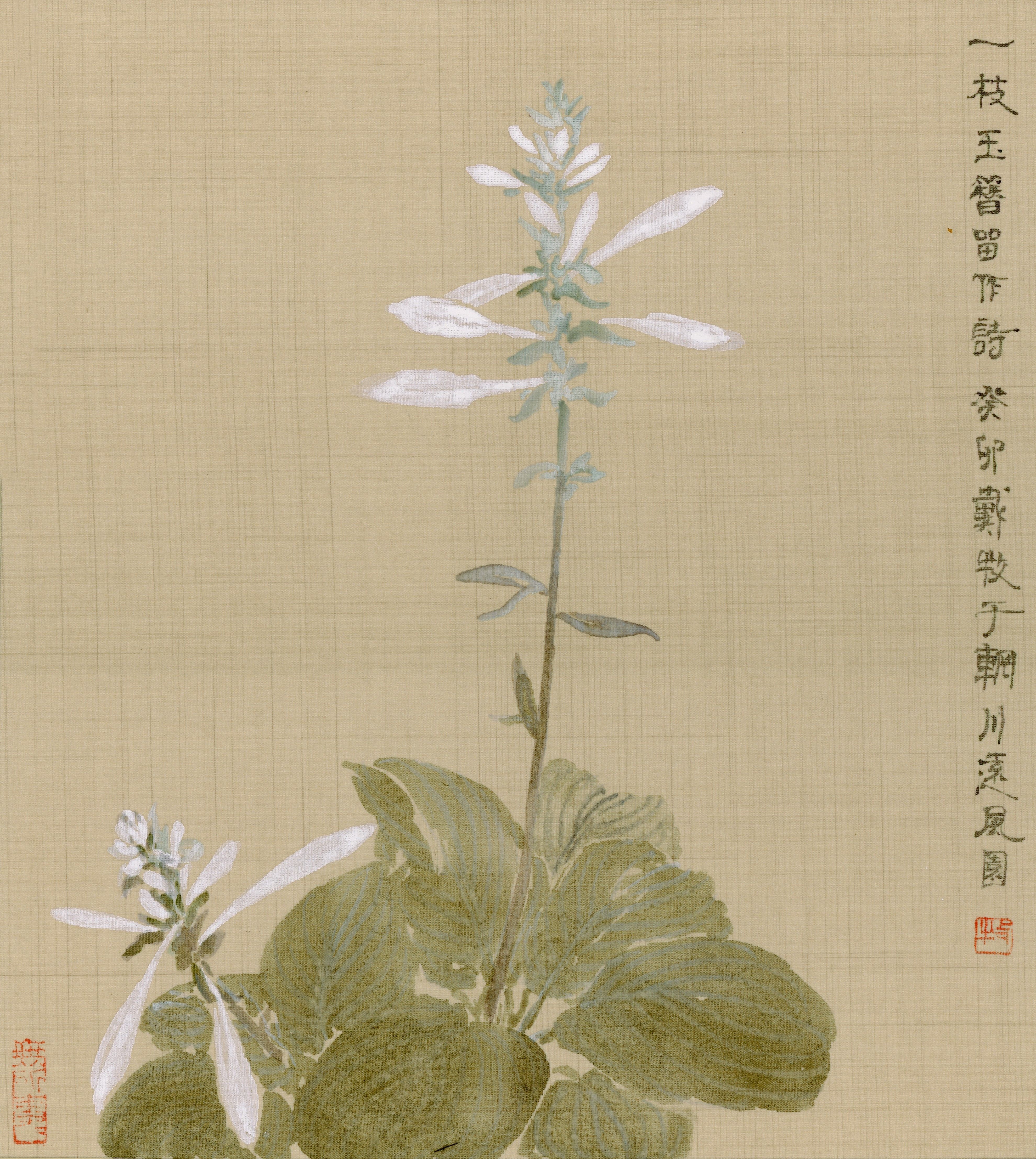
A Branch of Hosta Reserved for Poetry (一枝玉簪留作詩)
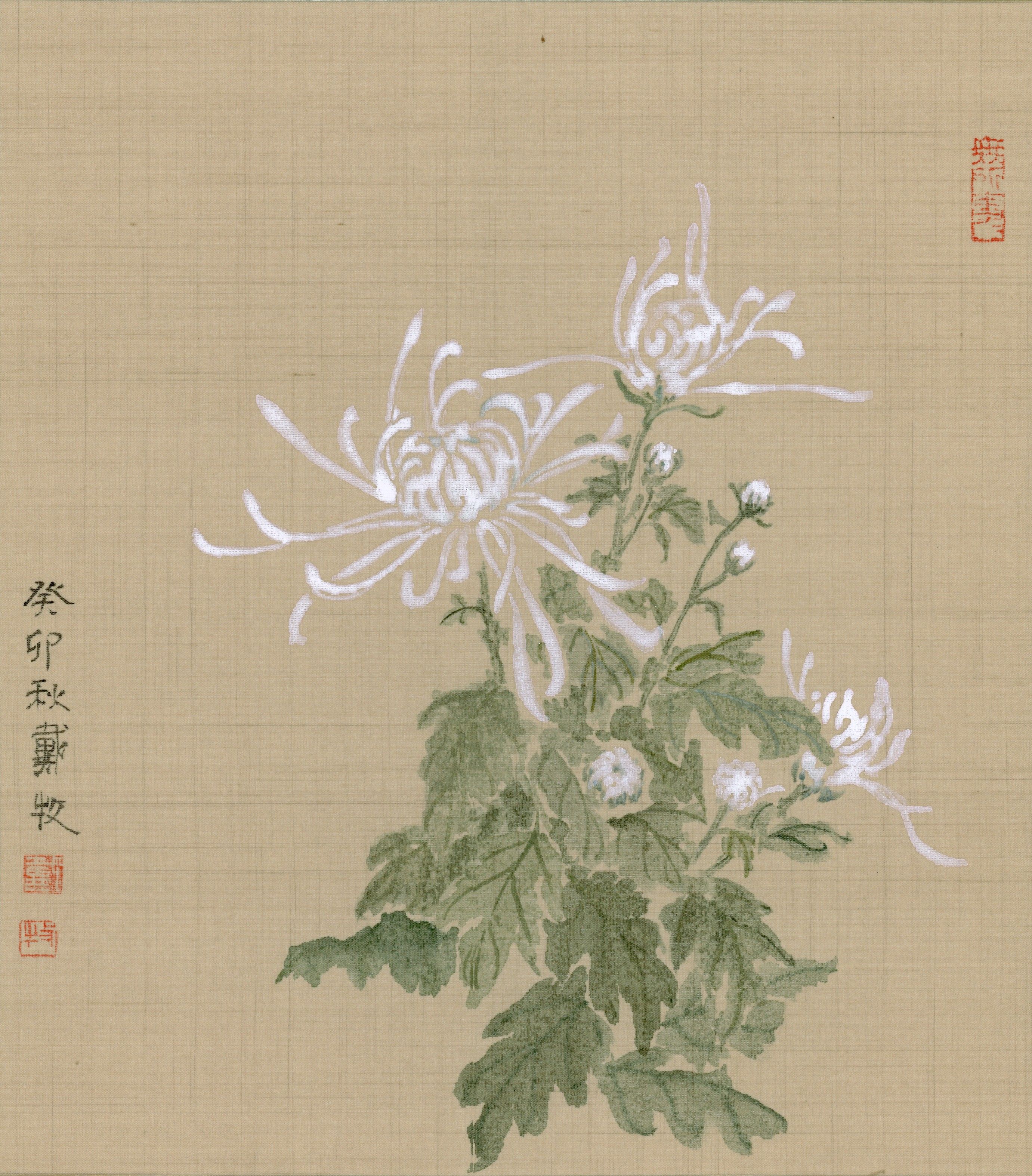
A Branch of Chrysanthemum (菊花)
Dai Mu’s visual language is restrained and deliberate. Whether depicting the layered petals of peonies, the rhythmic branches of crape myrtle, or the hanging weight of lychee fruit, the compositions avoid dramatic gesture or expressive excess. Instead, attention is placed on posture, spacing, and the subtle relationship between form and empty space. In this way, the works resonate with the spirit of traditional Chinese literati painting while resisting reliance on familiar symbolic conventions.
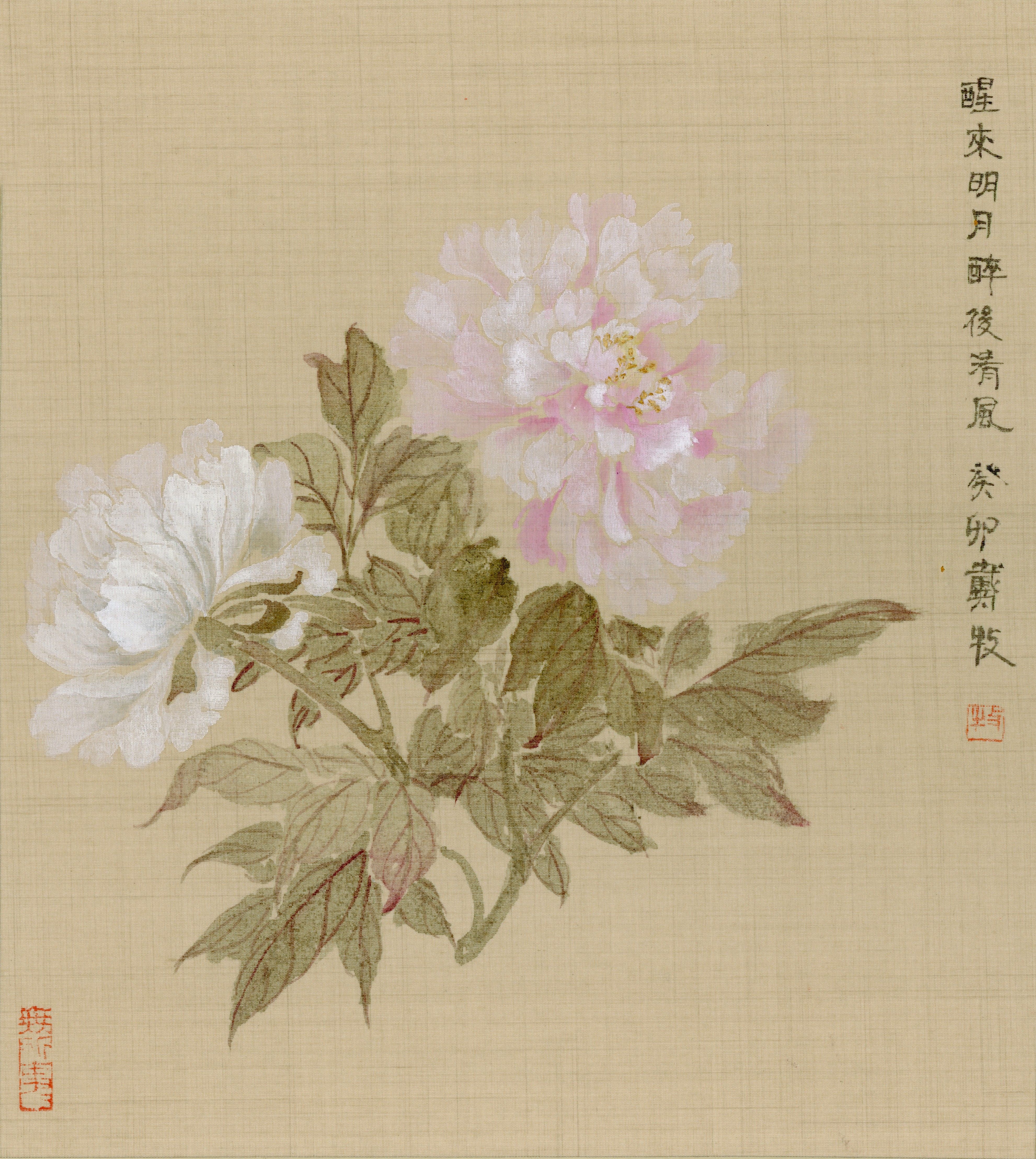
Peony (牡丹)
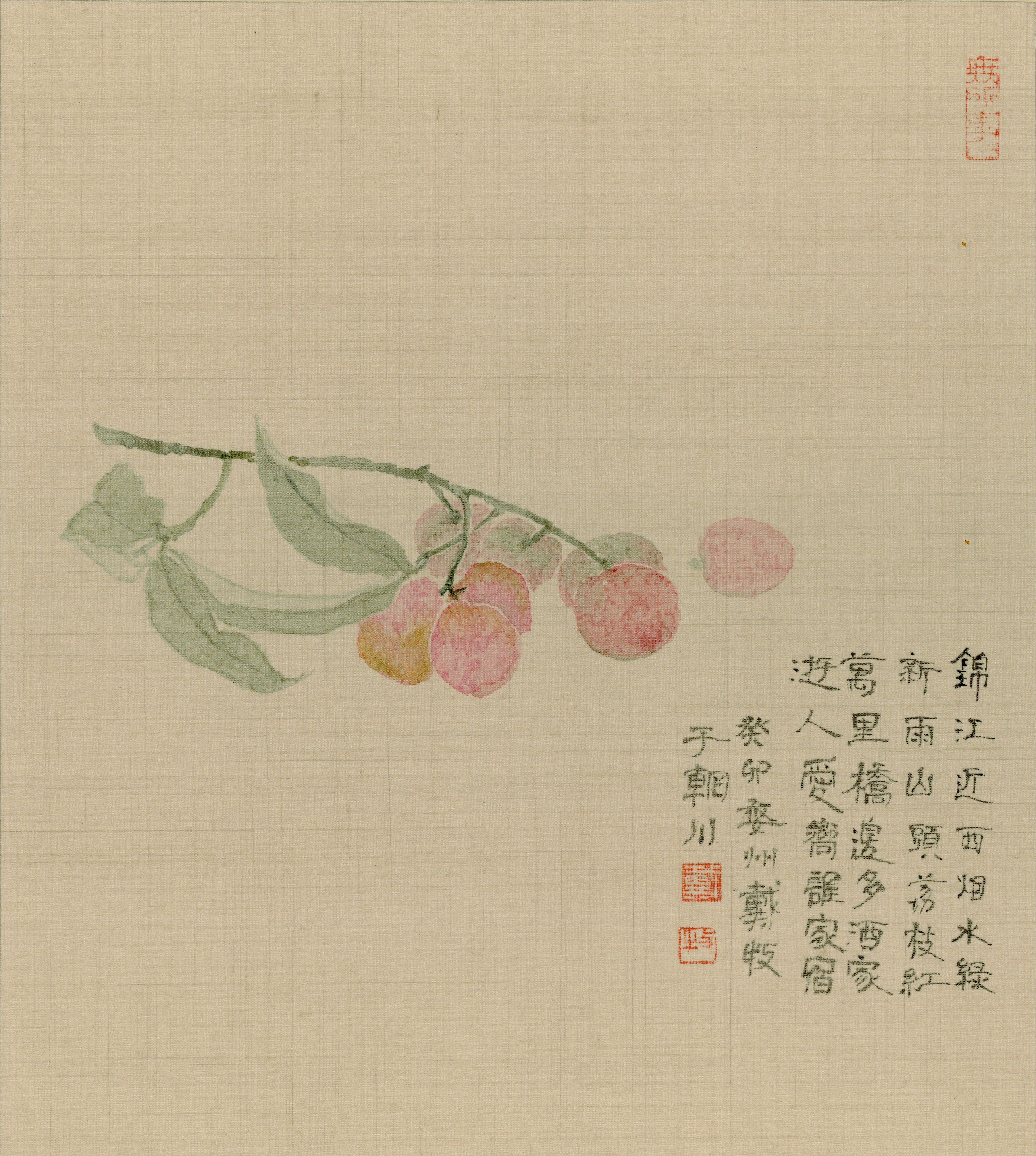
Lychee (荔枝)
Executed in ink and color on silk-mounted card, the material choice bridges tradition and contemporary presentation. The surface retains the warmth and sensitivity of classical media, while offering structural clarity suited to modern display. Muted color, controlled inscription, and carefully placed seals allow each image to remain open and breathable.
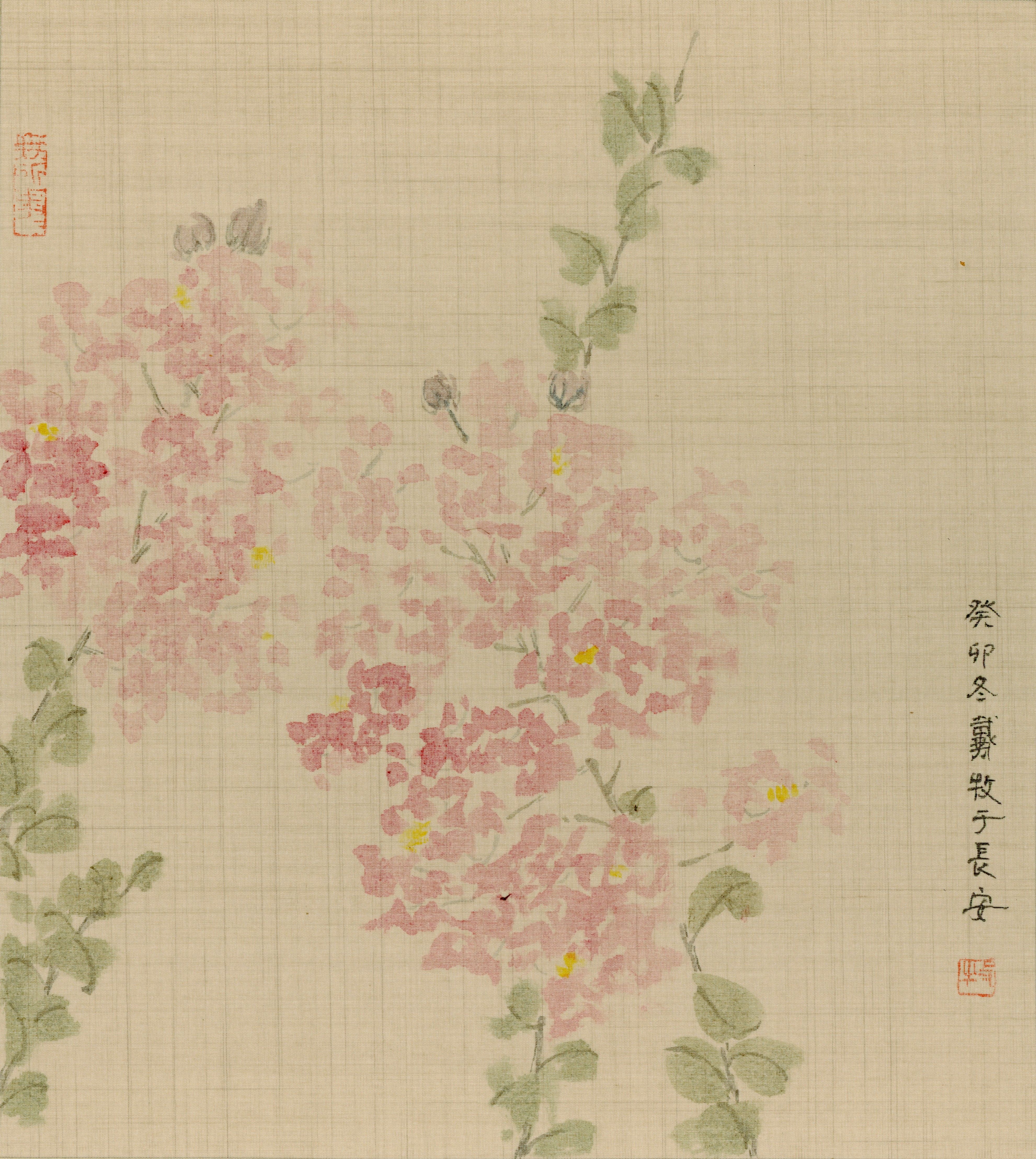
Crape Myrtle I (紫薇)
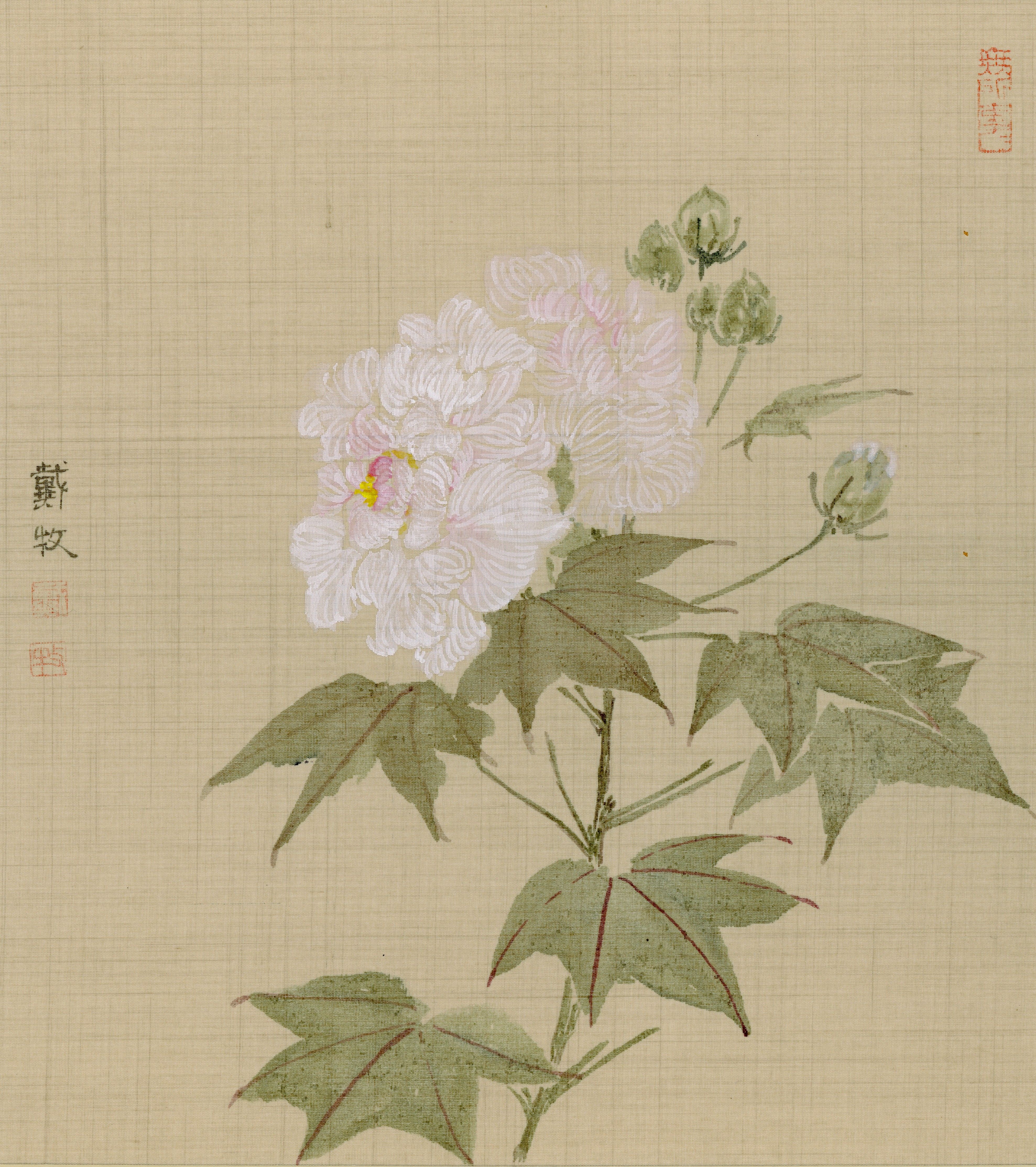
White Hibiscus (白芙蓉)
Rather than redefining the genre of botanical painting, Dai Mu’s works return to the act of looking itself. They invite viewers to slow down, to move alongside nature for a brief moment, and to sense time and growth through quiet presence rather than spectacle.
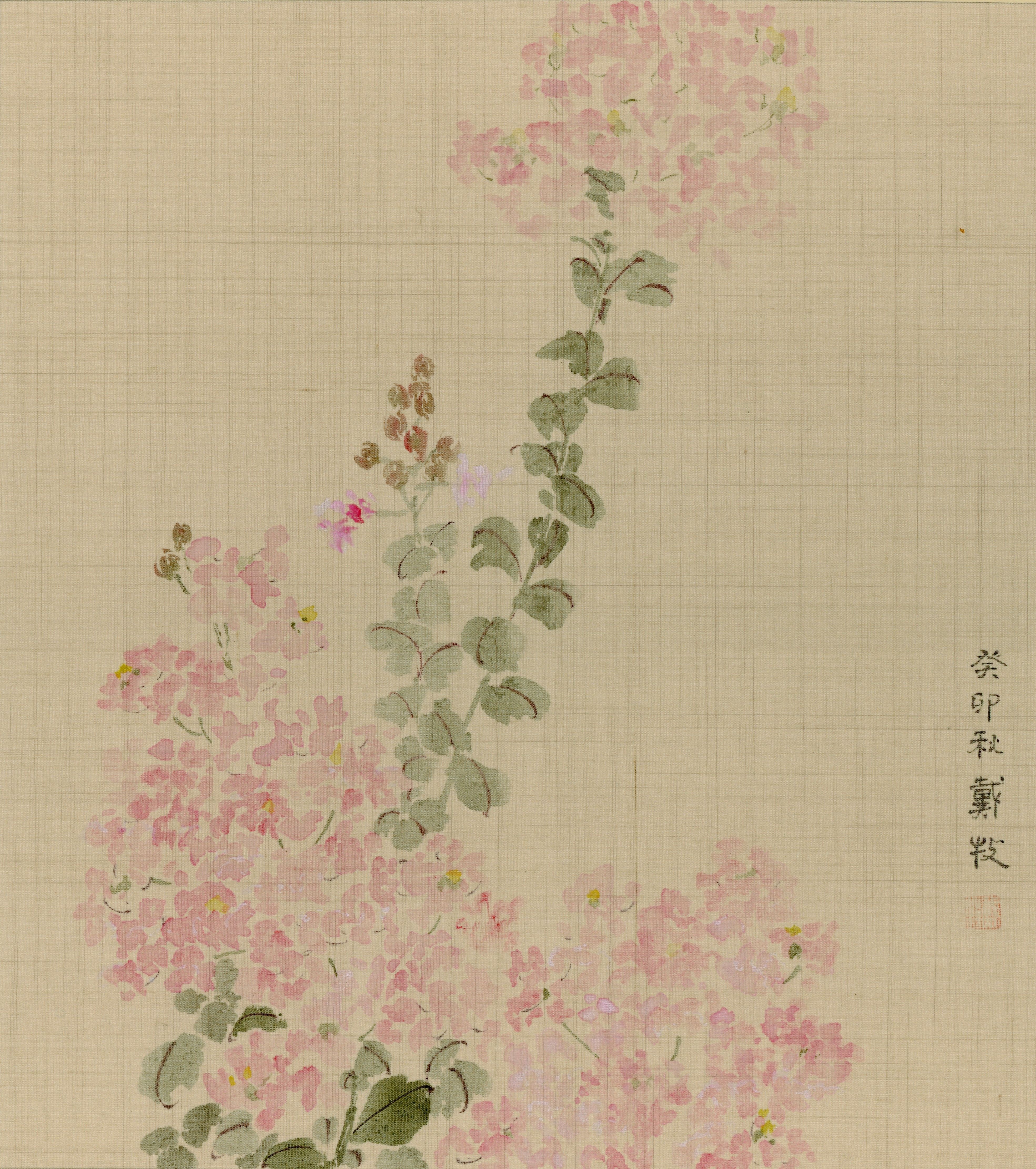
Crape Myrtle I (紫薇)
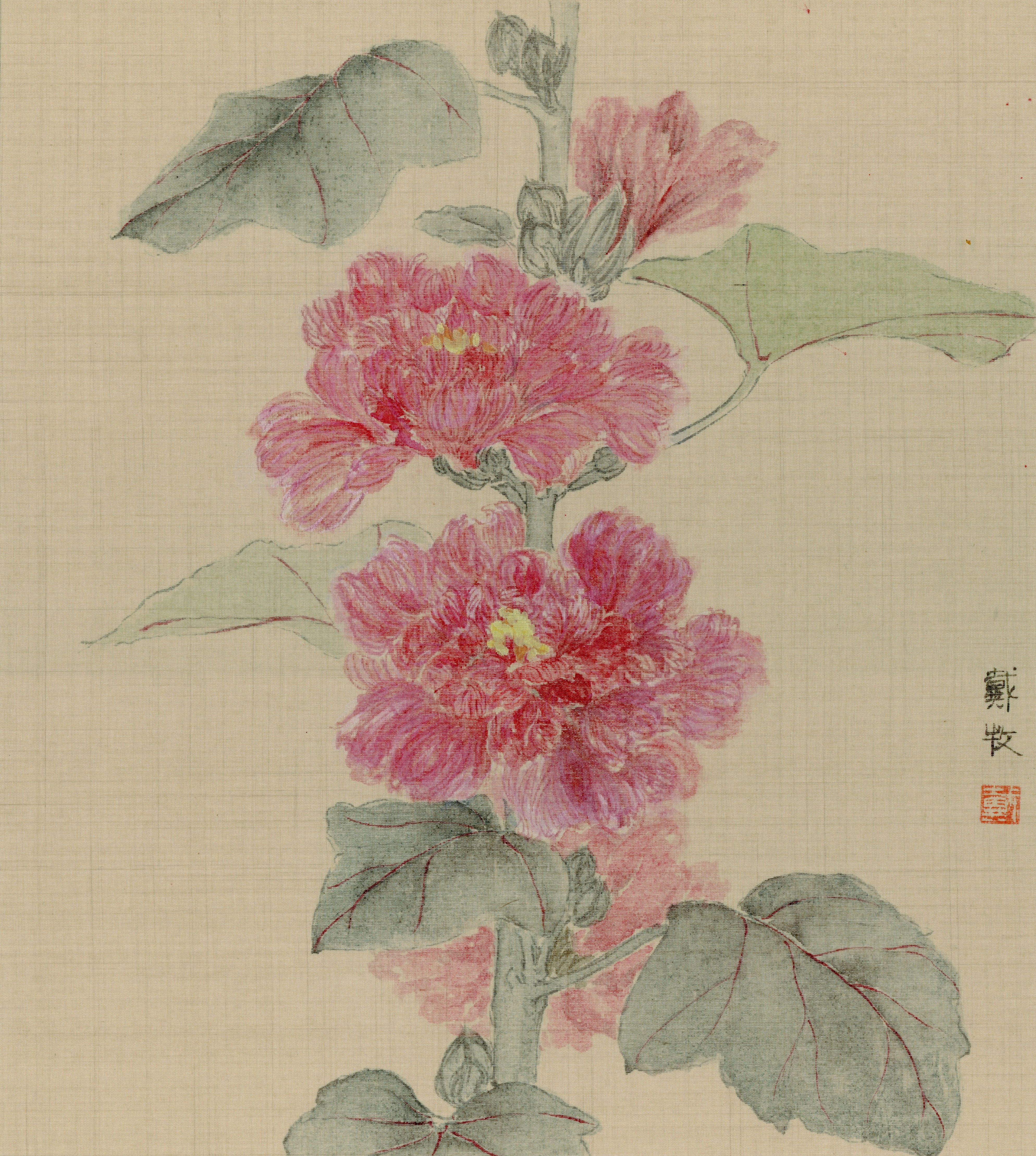
Hollyhock (蜀葵)
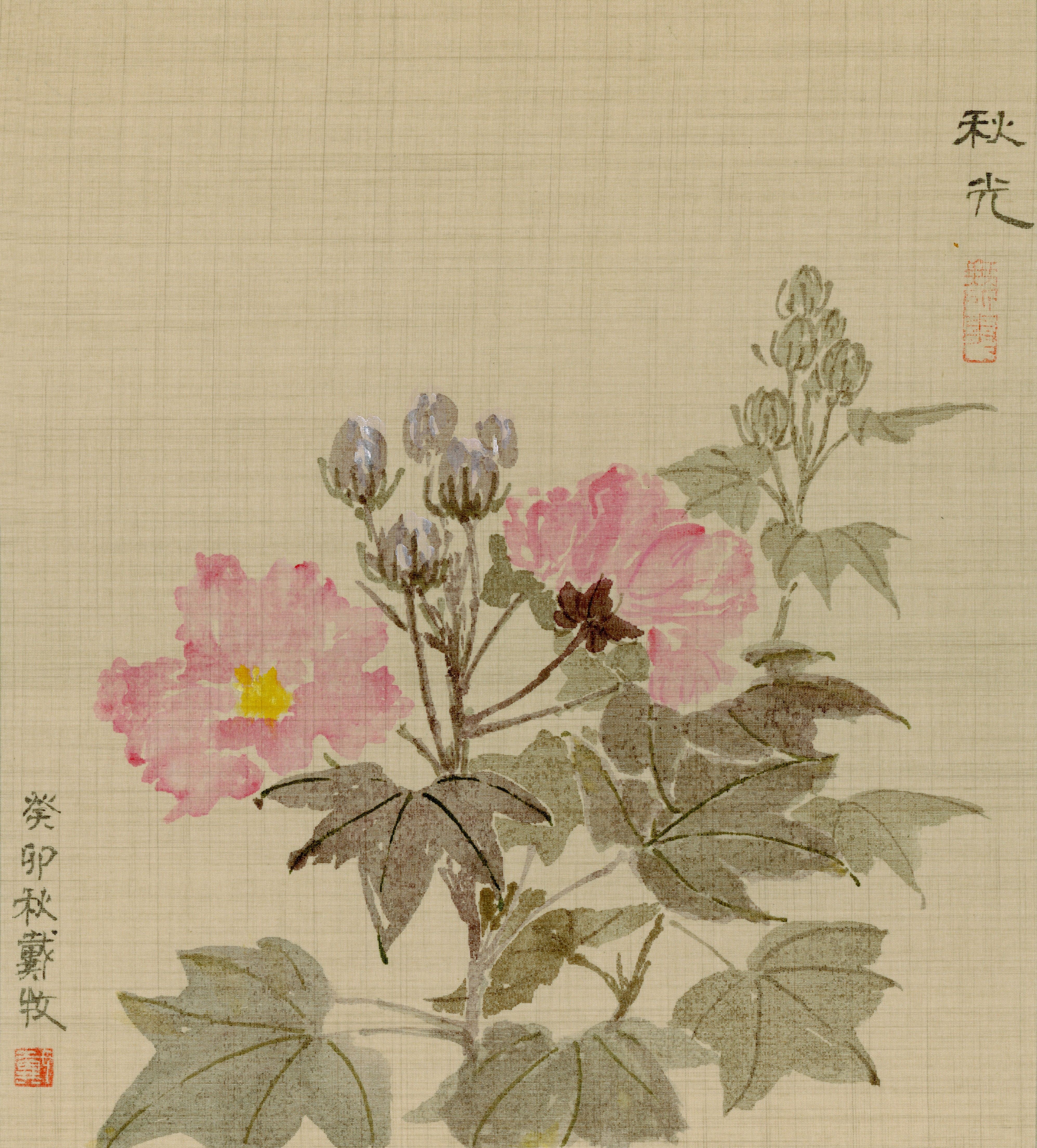
Autumn Light (秋光)
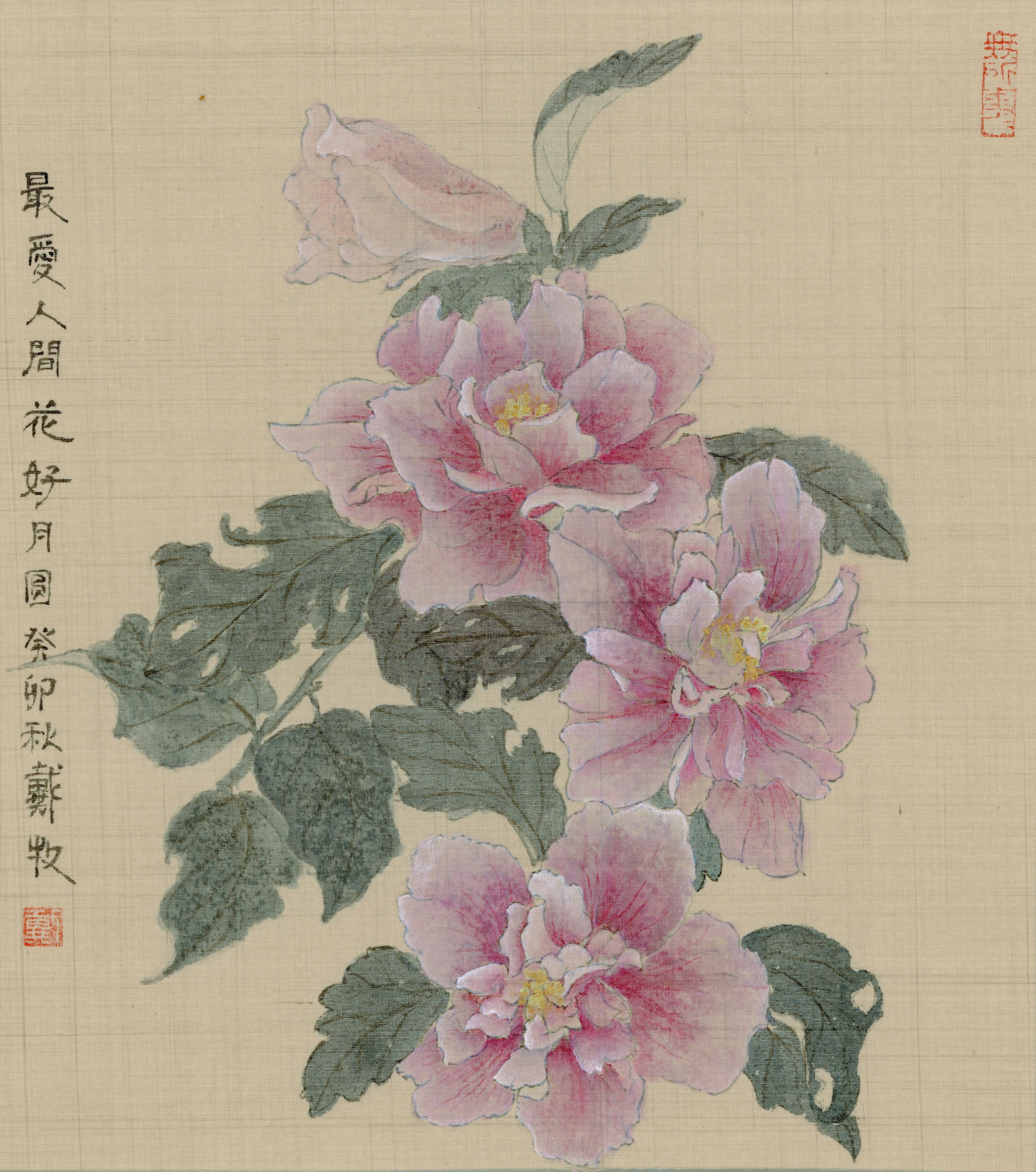
Hibiscus Syriacus (木槿花)