Articles
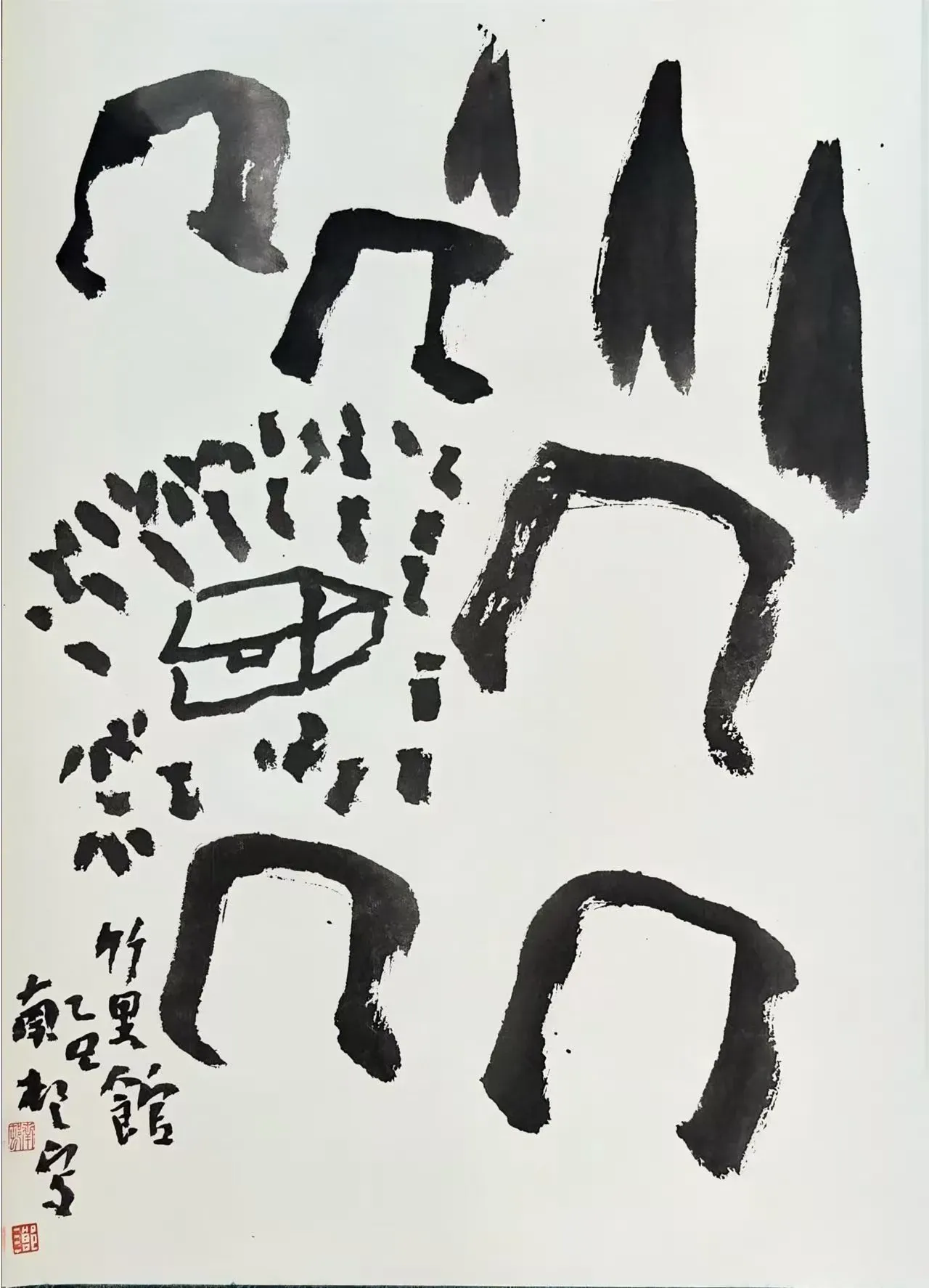
Tradition Reimagined: Literati Spirit, Void-Image Aesthetics, and the Renewal of Brushwork in Wu Zhenhuan’s Art
This article explores Wu Zhenhuan’s reinterpretation of Chinese literati painting through poetry, calligraphy, expressive brushwork, and symbolic imagery, examining how his concepts of Void-Image Theory and Classical Expressionism bridge traditional aesthetics and contemporary artistic expression.
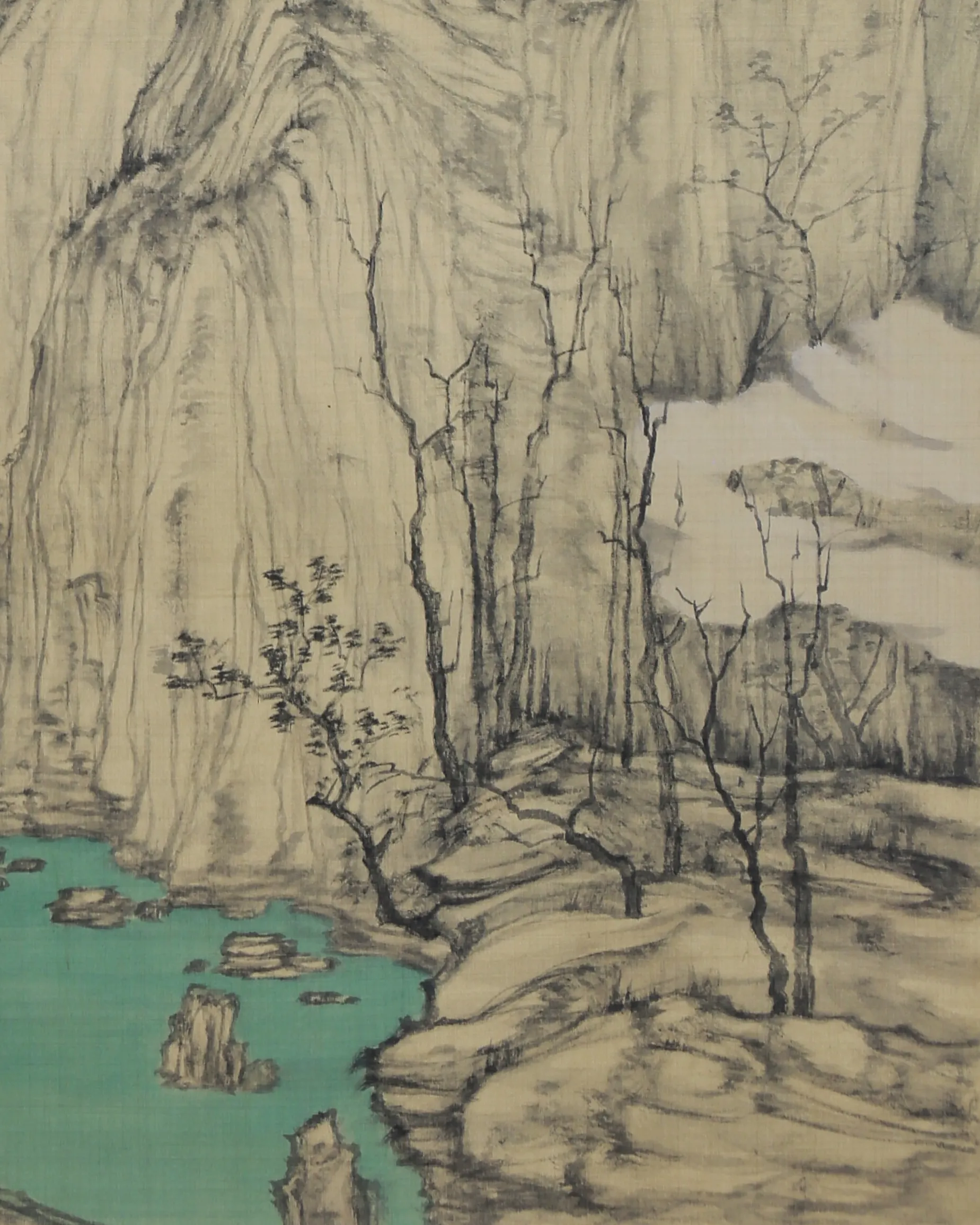
Poetic Landscapes: Exploring the Art of He Huibin
Explore four landscape paintings by contemporary Chinese artist He Huibin, where poetic inscriptions, expressive brushwork, and evocative scenery reveal the enduring spirit of Chinese literati painting. From quiet mountain retreats to moonlit rivers and autumnal longing, these works transform nature into a meditation on solitude, memory, and the harmony between humanity and the natural world.
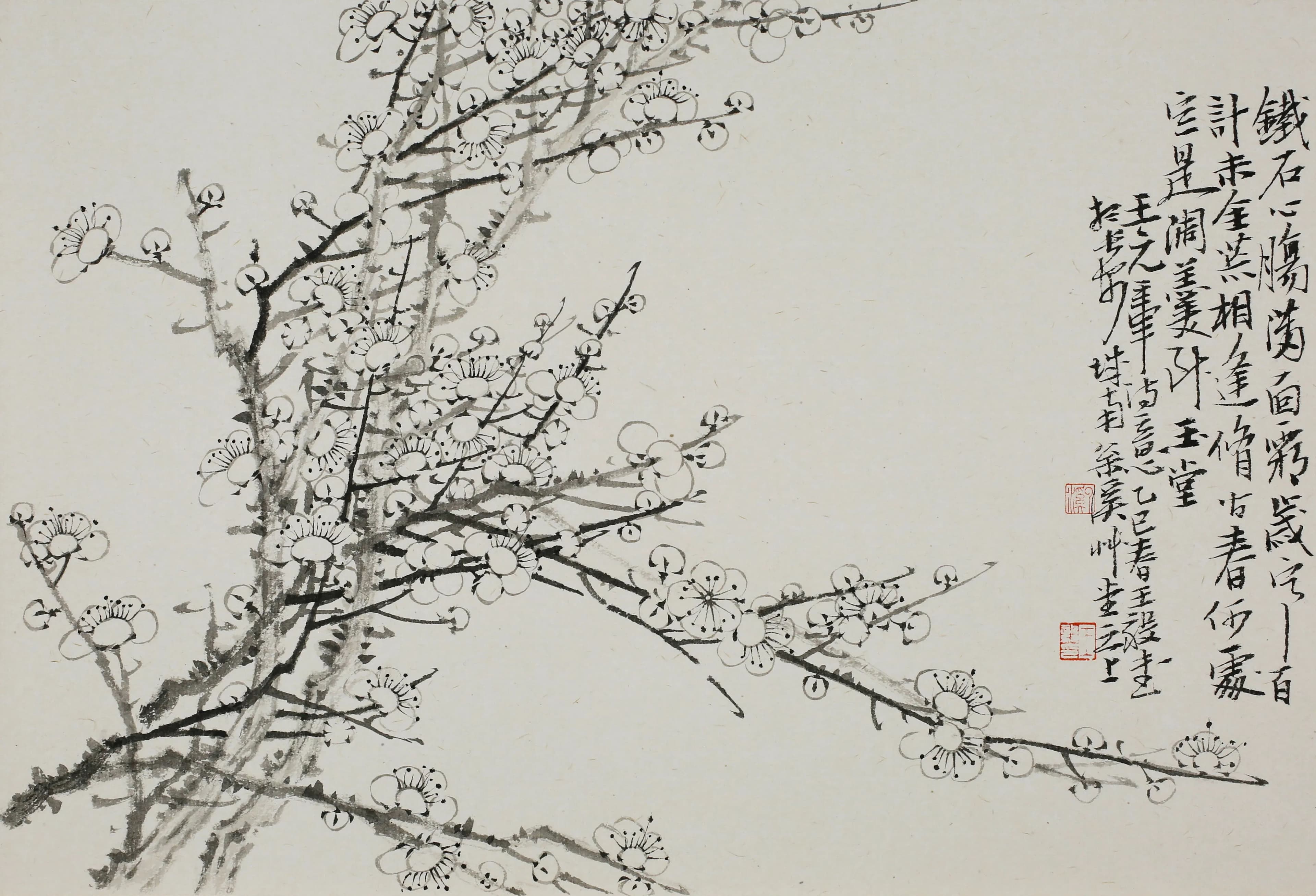
Fragrance in Ink: Appreciating Wang Yi's Ink Plum Paintings
Rooted in the enduring tradition of Chinese literati painting, Wang Yi's ink plum paintings reinterpret one of the most celebrated subjects in Chinese art. Through expressive brushwork, restrained compositions, and the integration of painting, calligraphy, poetry, and seal carving, his works embody the spirit of classical ink aesthetics while demonstrating the continuing vitality of this tradition in contemporary practice.
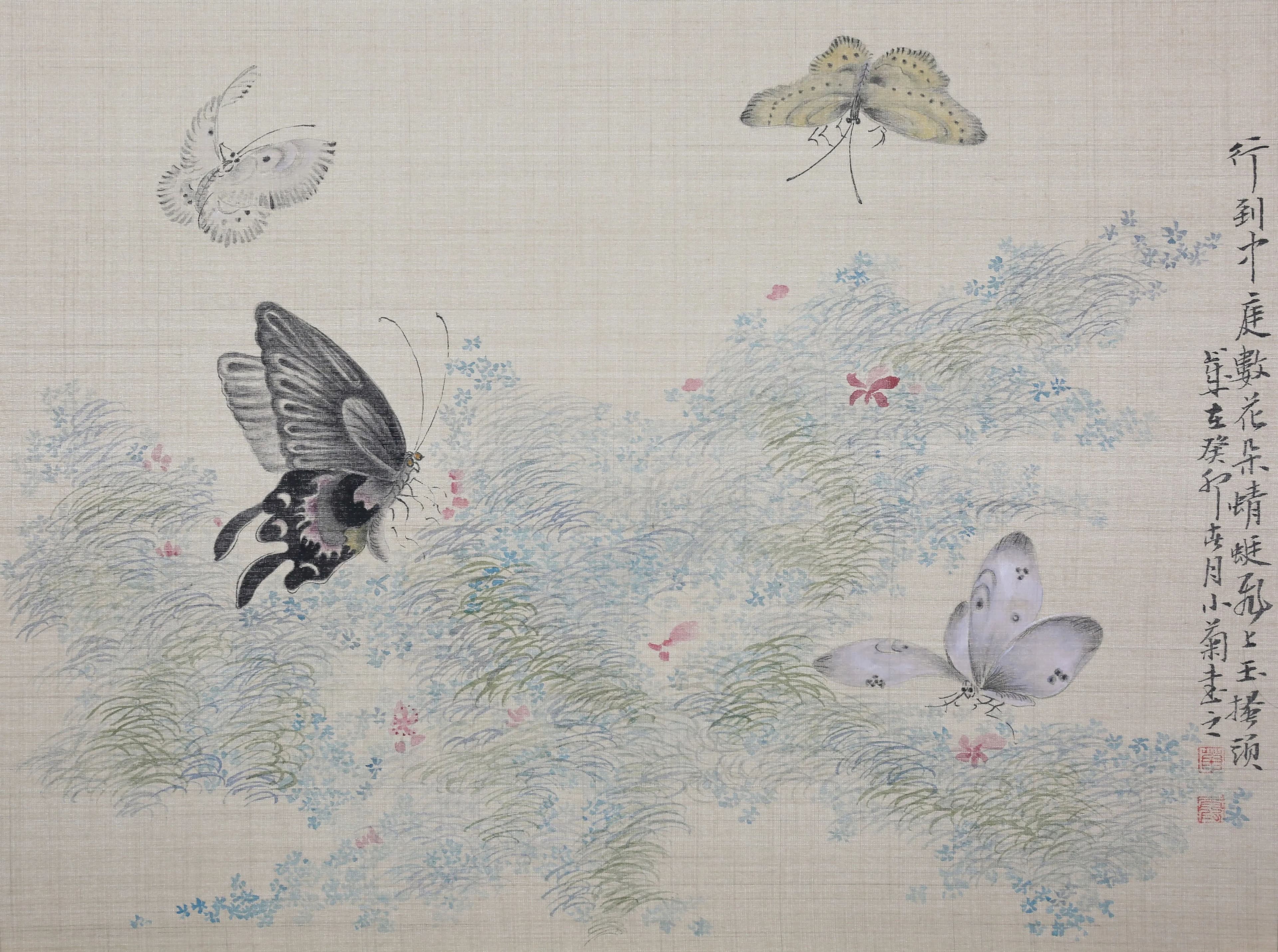
Dreaming with Butterflies: Du Juxia's Gongbi Paintings and the Poetry of Transformation
Du Juxia's Dream of the Butterfly series reimagines the Daoist parable of Zhuang Zhou through the refined language of gongbi painting. Combining meticulous brushwork, poetic inscriptions, and symbolic imagery, the works explore transformation, impermanence, and the harmony between humanity and nature. This article examines the series within the broader context of Chinese philosophy, aesthetics, and contemporary art.
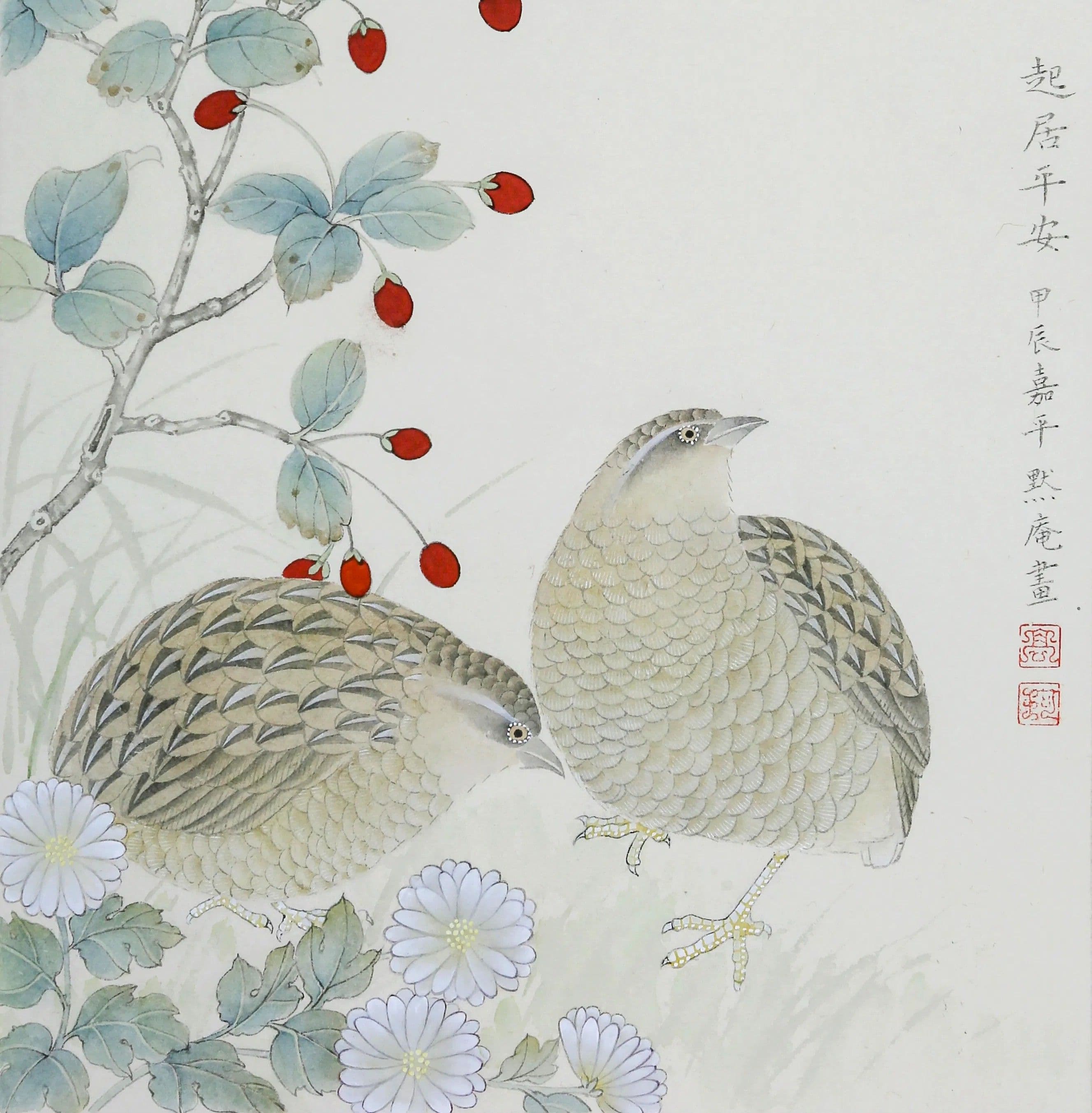
The Poetry of Feathers and Blossoms: Understanding the Beauty of Chinese Gongbi Bird-and-Flower Painting by Gao Ke
Chinese bird-and-flower painting is one of the most poetic traditions in East Asian art. Through six gongbi paintings by contemporary artist Gao Ke, we can explore how meticulous craftsmanship, symbolic imagery, and a profound appreciation of nature have shaped a visual language that has endured for more than a thousand years.
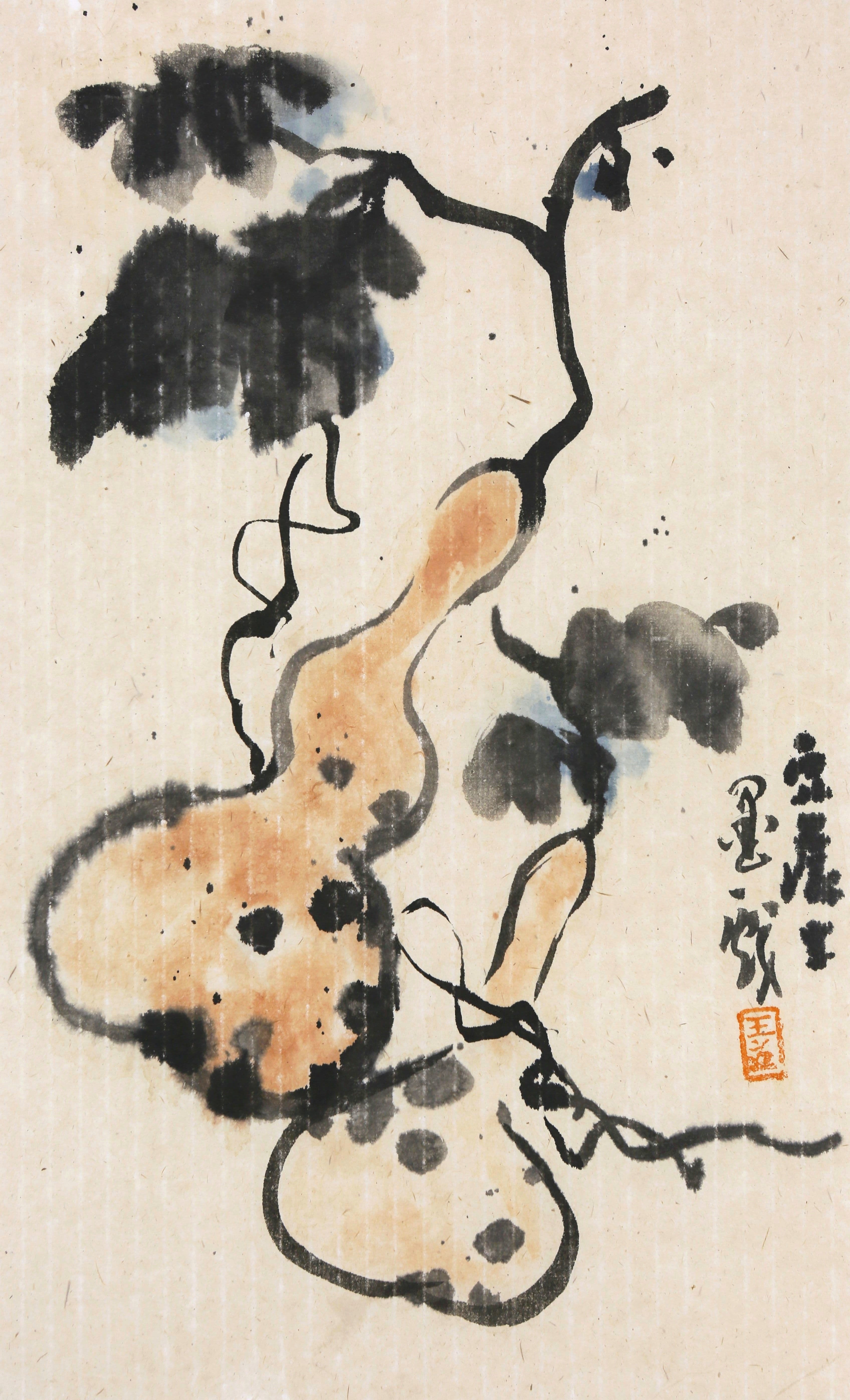
Ink Play with Gourds: The Literati Spirit in Wang Fei’s Ink Paintings
This article explores Wang Fei’s expressive ink paintings of gourds, examining their rich symbolism in Chinese culture and the artist’s masterful integration of calligraphic brushwork, literati aesthetics, and contemporary ink expression.