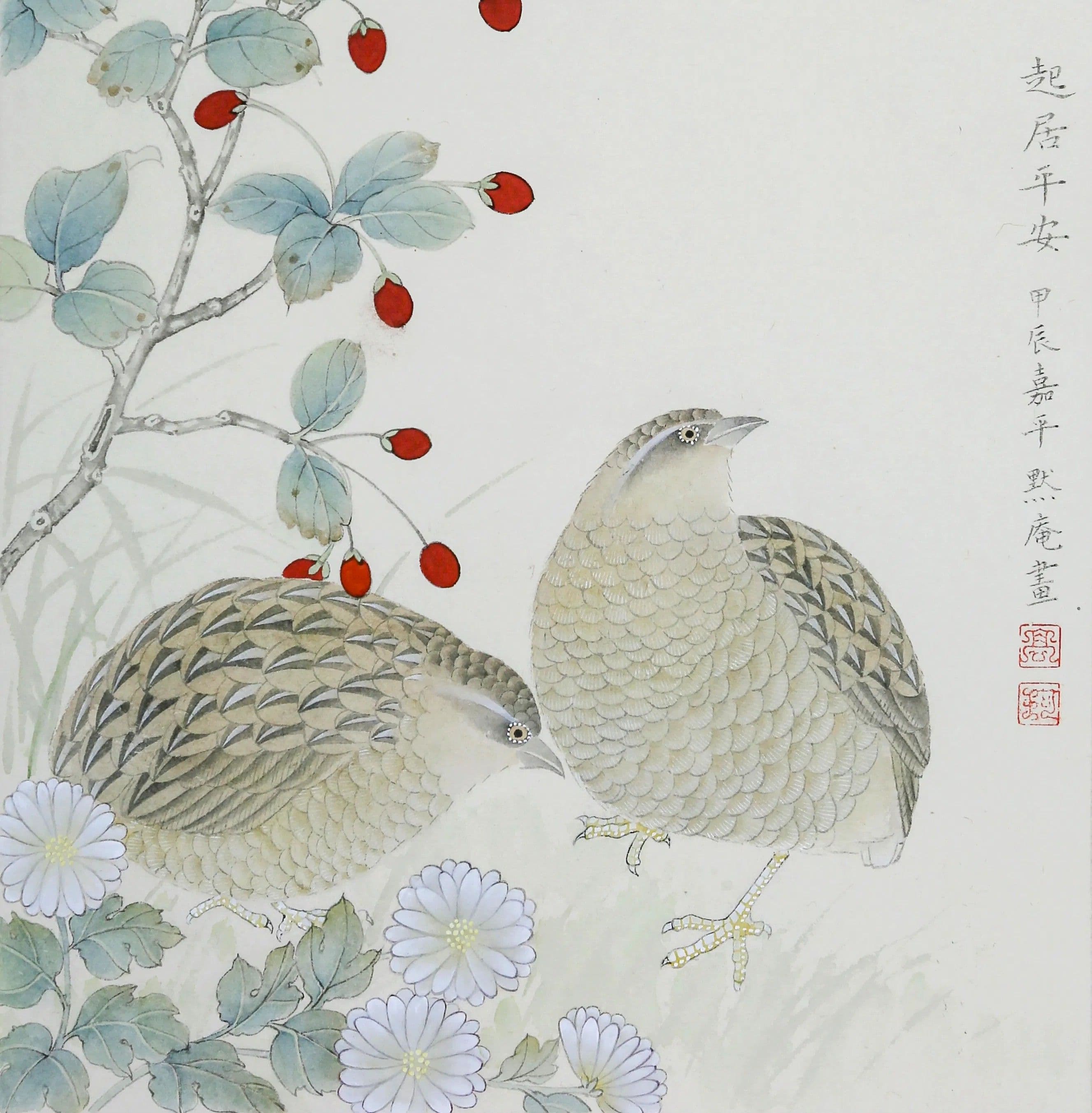
Among the many traditions of Chinese painting, few are as beloved and enduring as bird-and-flower painting. At first glance, the genre appears to focus on the natural world—birds perched on branches, flowers blooming in seasonal cycles, and the quiet rhythms of life in nature. Yet beneath these elegant images lies a sophisticated artistic tradition that combines observation, symbolism, poetry, and philosophy.
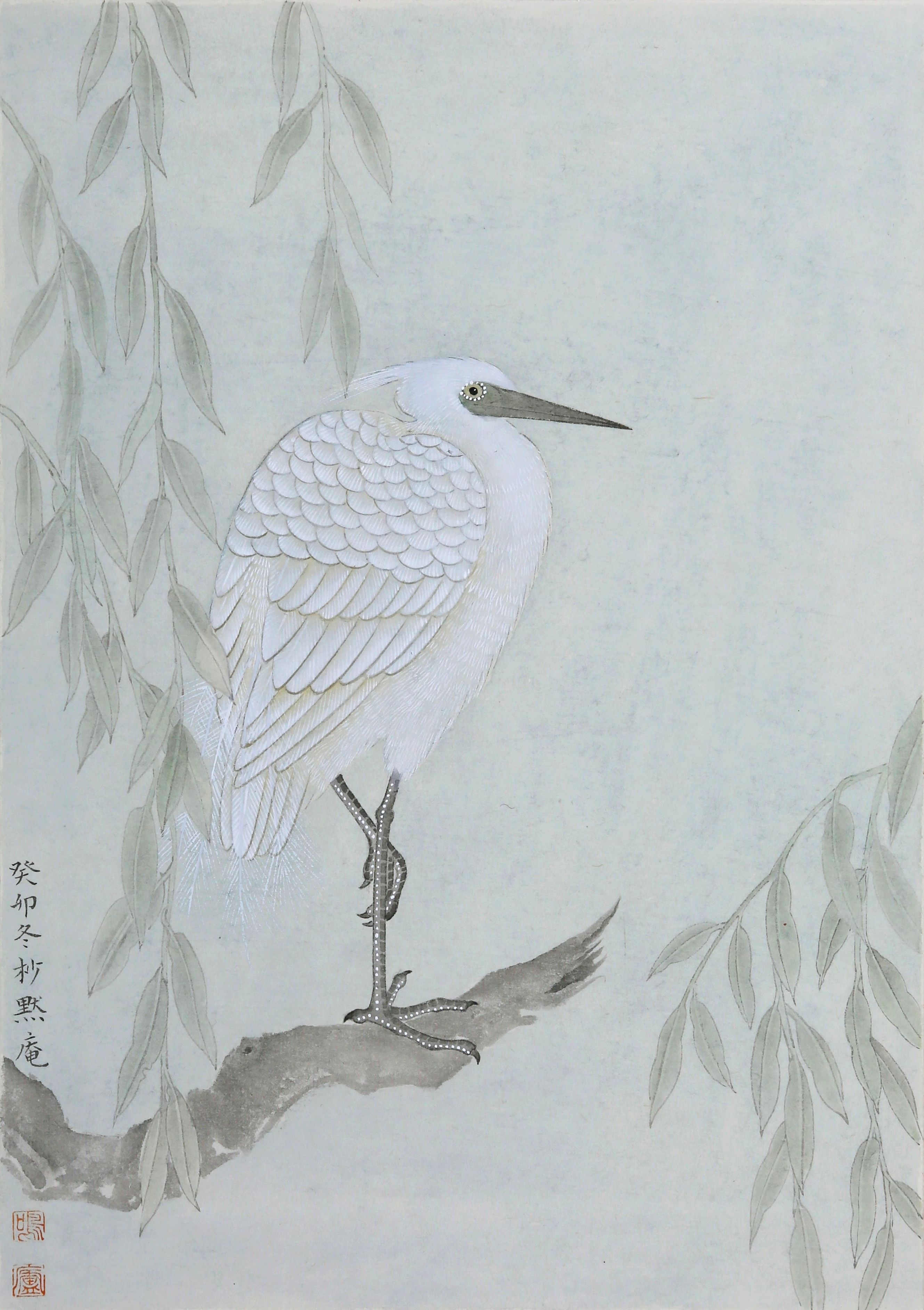
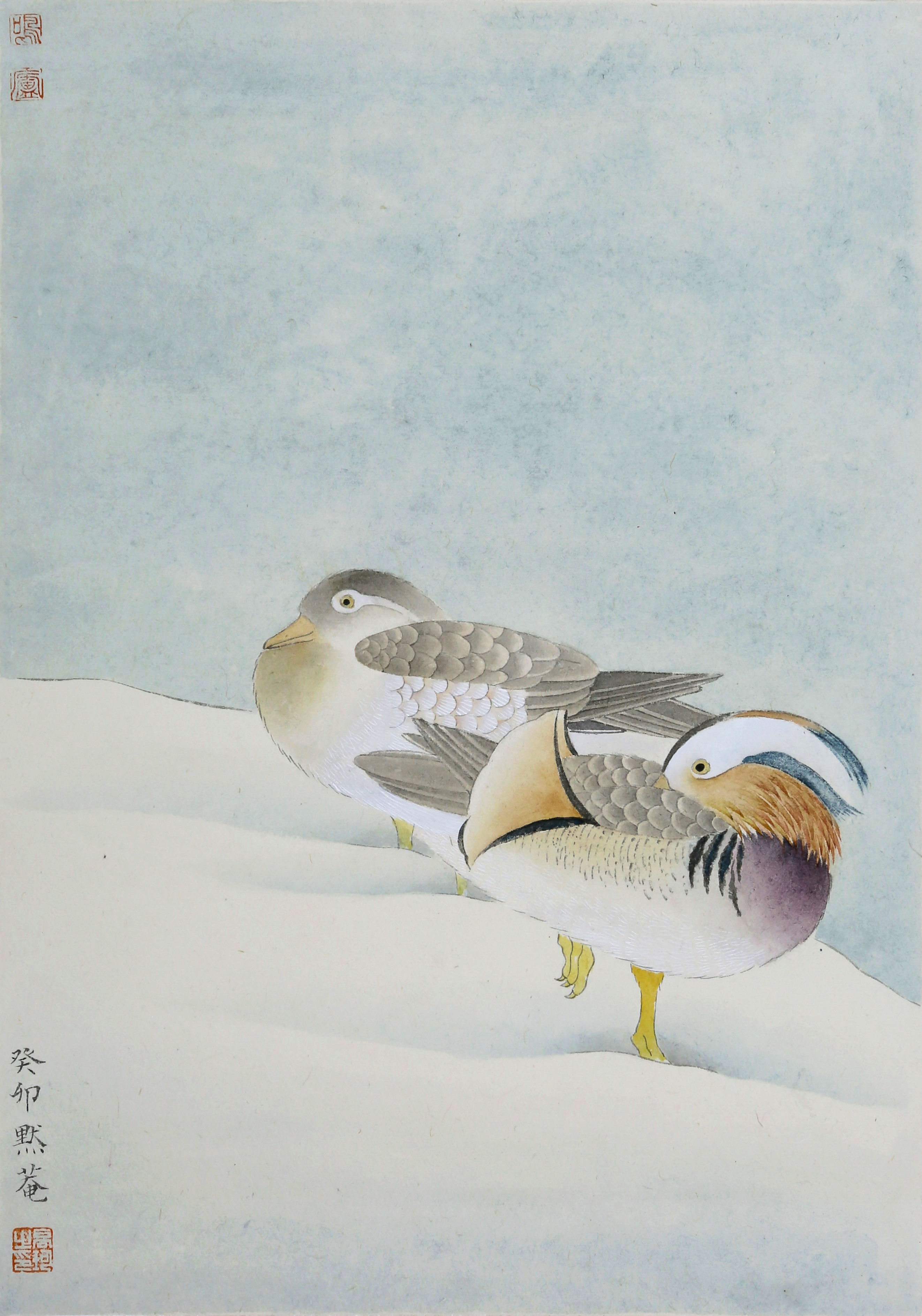
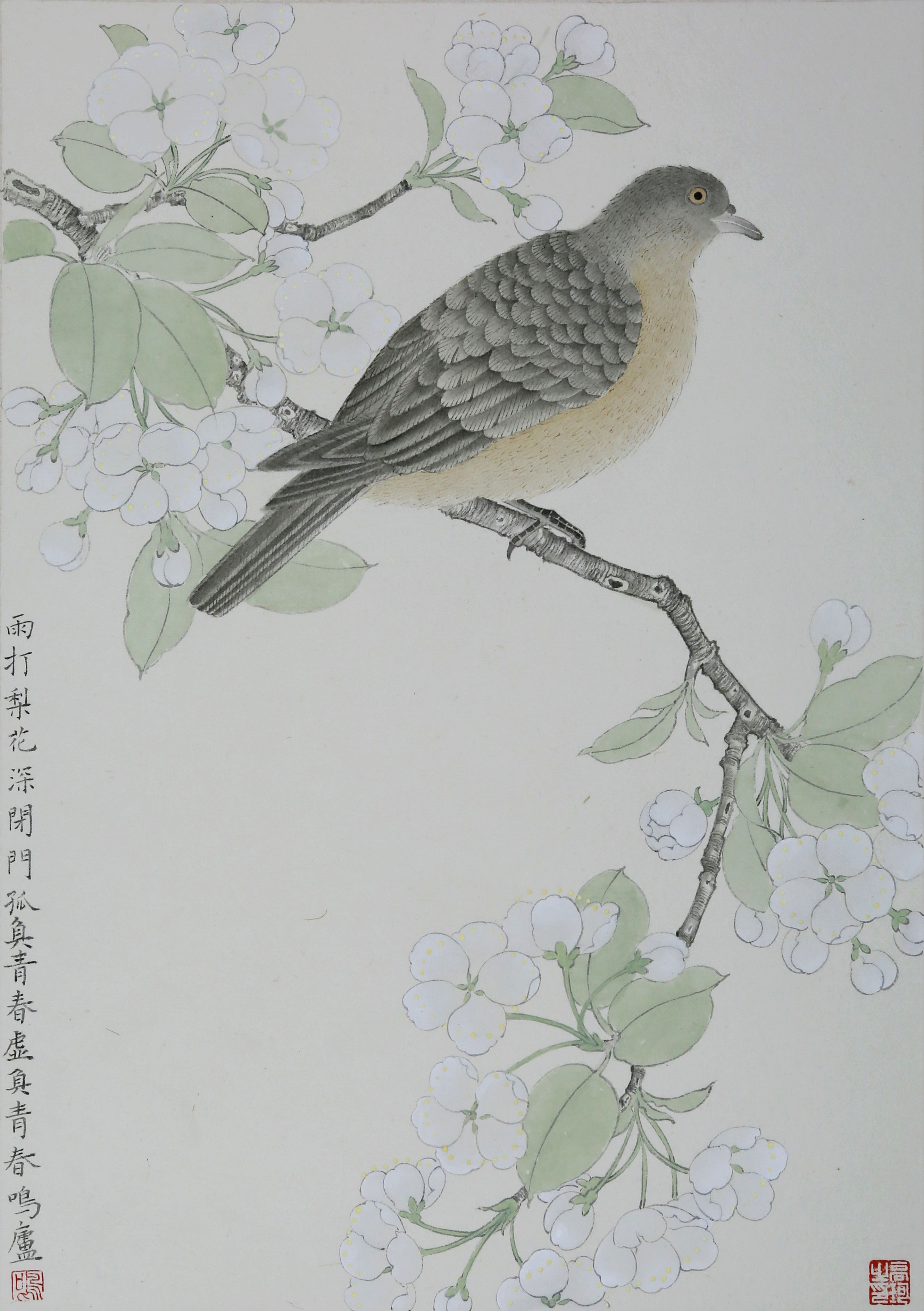
The six bird-and-flower paintings by contemporary Chinese artist Gao Ke offer an excellent opportunity to explore the enduring beauty and cultural significance of this tradition. Featuring egrets, mandarin ducks, quails, and songbirds alongside flowering branches, fruit, and seasonal landscapes, these works reveal why bird-and-flower painting has remained a vital part of Chinese visual culture for centuries.
The Refinement of Gongbi Painting
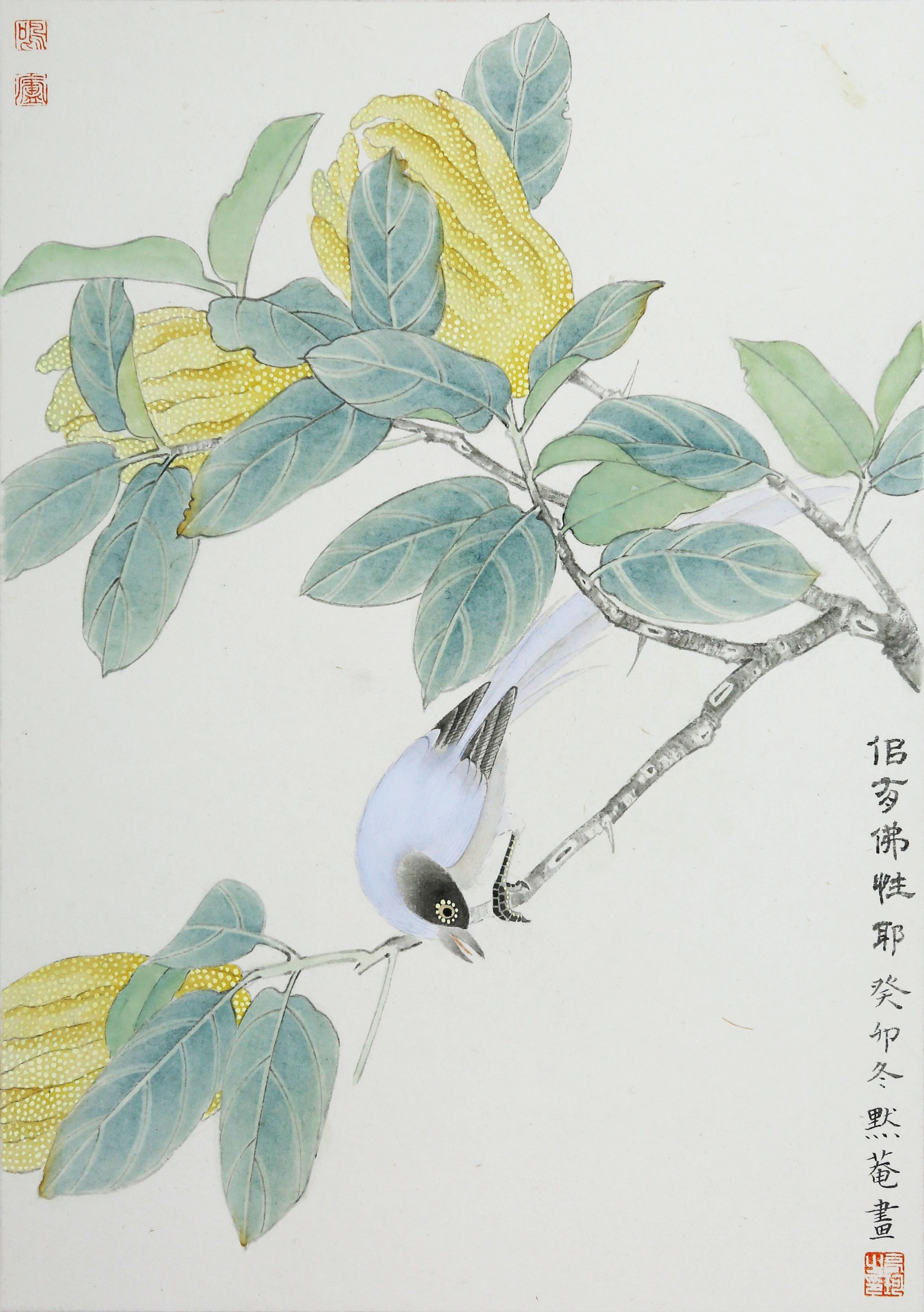
Gao Ke works in the gongbi tradition, a style characterized by precise drawing, controlled brushwork, and meticulous attention to detail. Unlike the freer and more expressive xieyi (freehand) approach, gongbi painting emphasizes structure, accuracy, and careful layering of color.
In these six paintings, every feather, petal, and leaf is rendered with remarkable precision. Yet the purpose of gongbi is not merely to imitate nature. Technical mastery serves a larger goal: creating a sense of harmony, balance, and quiet contemplation.
The finest gongbi paintings invite viewers to slow down and look closely. Details that might initially seem decorative gradually reveal themselves as expressions of patience, discipline, and artistic sensitivity. In an age increasingly dominated by speed and distraction, such qualities possess a special relevance.
Nature as a Language of Meaning
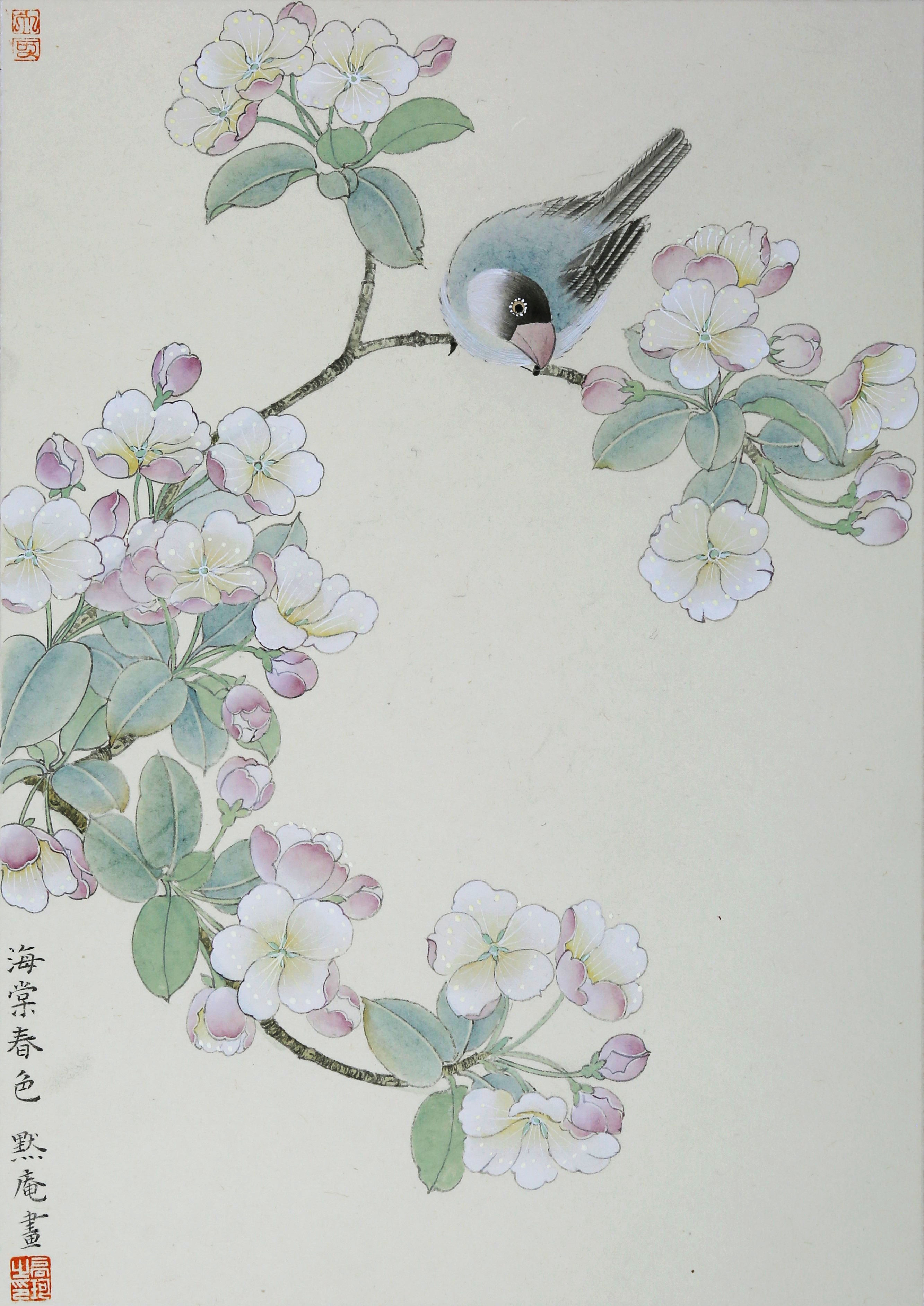
One of the most distinctive characteristics of Chinese bird-and-flower painting is that it rarely functions as a simple record of nature. Birds and plants are often chosen for their symbolic associations, transforming natural subjects into carriers of cultural memory and human aspiration.
Mandarin ducks traditionally symbolize fidelity and lifelong companionship. Egrets evoke purity, elegance, and scholarly refinement. Quails are associated with peace, stability, and domestic harmony. Blossoms signal renewal and the changing seasons, while fruit often carries wishes for prosperity, longevity, or spiritual fulfillment.
For Chinese viewers, these meanings enrich the visual experience. A bird resting among blossoms is not merely a beautiful image; it becomes a meditation on the relationship between humanity and the natural world. Through such symbolism, bird-and-flower painting speaks simultaneously to the eye, the intellect, and the emotions.
The Union of Art, Poetry, and Calligraphy
Chinese painting has traditionally been understood as more than a visual art. It exists within a broader cultural framework that embraces poetry, calligraphy, and personal cultivation.
This integration is often visible in bird-and-flower paintings, where inscriptions and seals form an essential part of the composition. The written text is not simply explanatory; it contributes rhythm, balance, and literary meaning to the work. Brushstrokes used for calligraphy echo those used in painting, creating a unified artistic language.
The result is an art form that engages multiple dimensions of human experience. Viewers are invited not only to admire technical skill but also to reflect upon the ideas and emotions embedded within the image. Such a synthesis of visual and literary culture remains one of the defining achievements of Chinese civilization.
Harmony Between Humanity and Nature
Underlying much of Chinese art is the belief that human beings are not separate from nature but exist as participants within a larger cosmic order. This concept, influenced by Confucian, Daoist, and Buddhist thought, finds particularly eloquent expression in bird-and-flower painting.
The birds in Gao Ke's works do not dominate their environment, nor are they isolated from it. Instead, they exist in quiet relationship with blossoms, branches, fruit, water, and changing seasons. Every element contributes to a balanced whole.
This vision contrasts sharply with many modern experiences of nature, which are often shaped by distance, control, or environmental anxiety. Bird-and-flower painting offers an alternative perspective—one that emphasizes coexistence, attentiveness, and respect for the living world.
Why Bird-and-Flower Painting Matters Today
Although the origins of Chinese bird-and-flower painting can be traced back more than a millennium, its appeal remains remarkably contemporary. The genre continues to resonate because it addresses concerns that are fundamentally human: the passage of time, the beauty of seasonal change, the search for harmony, and the desire to find meaning within everyday life.
Gao Ke's six paintings demonstrate that traditional subjects can still speak powerfully to modern audiences. Their beauty lies not only in technical accomplishment but also in their ability to encourage contemplation and reconnect viewers with the natural world.
In an increasingly digital age, these works remind us of the value of careful observation, patience, and quiet reflection. They invite us to rediscover the wonder of a bird perched on a branch, the elegance of a blossom opening in spring, and the profound sense of order that can emerge from the simplest scenes of nature.
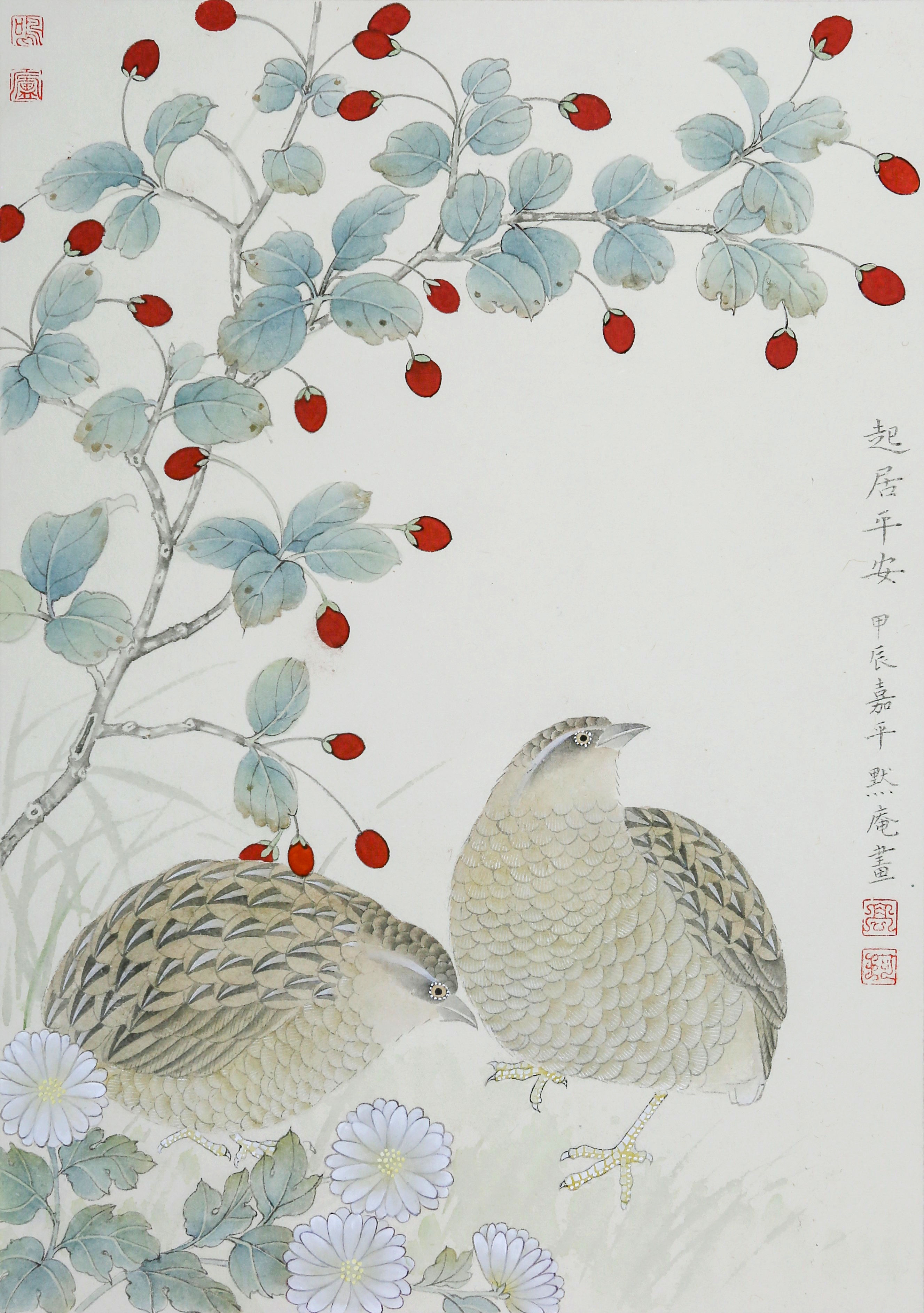
The six bird-and-flower paintings by Gao Ke exemplify the enduring strengths of the Chinese gongbi tradition. Through refined technique, symbolic richness, and poetic sensitivity, they reveal a vision of nature that is both aesthetically captivating and culturally profound.
More than representations of birds and flowers, these paintings embody a way of seeing the world—one in which beauty, meaning, and harmony are inseparable. Their enduring appeal reminds us that the finest works of art do not merely depict life; they deepen our understanding of it.