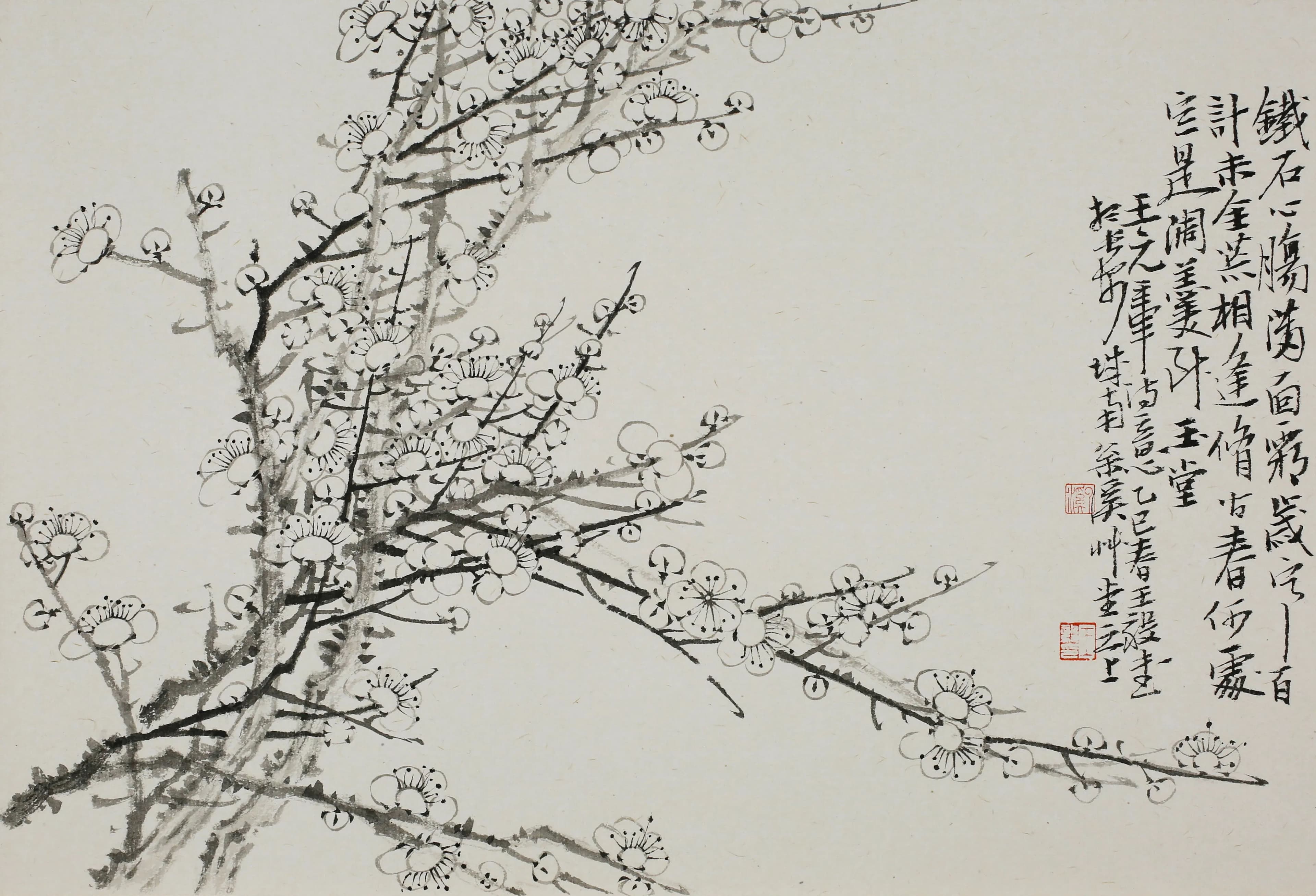
Among the many subjects that have shaped the tradition of Chinese painting, few possess the cultural significance of the plum blossom. Blooming in the depth of winter, often before the last snow has melted, the plum has long symbolized perseverance, purity, and moral integrity. Since the Song and Yuan dynasties, scholars and painters have regarded the ink plum not merely as a representation of nature but as a visual expression of personal cultivation. Through brush and ink, artists sought to reveal the spirit of the subject rather than its outward appearance, allowing the plum blossom to become one of the defining motifs of Chinese literati painting.
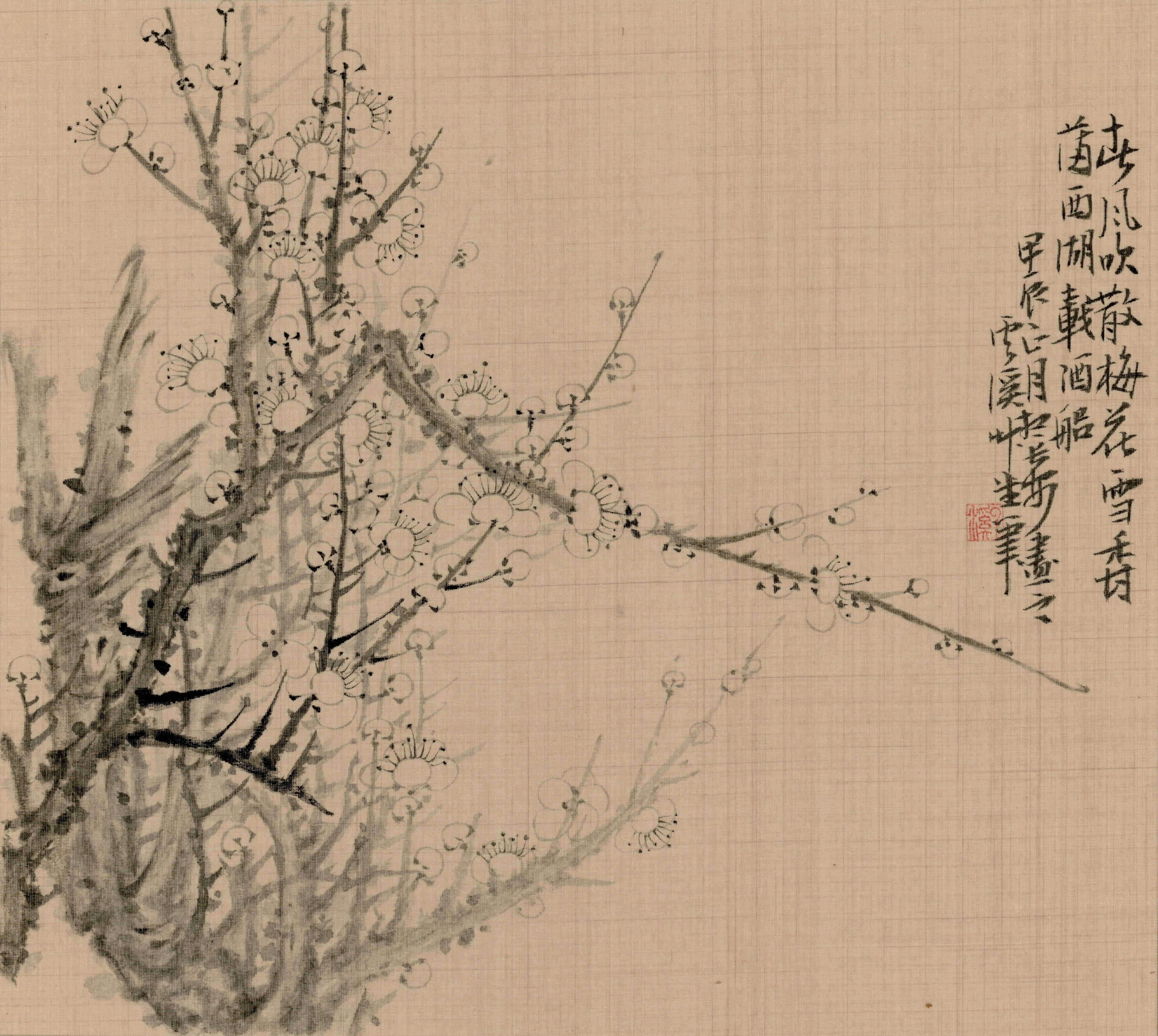
Wang Yi's ink plum paintings stand firmly within this rich artistic lineage while presenting a distinctly contemporary sensibility. Rather than relying on elaborate color or decorative realism, he employs monochrome ink to explore the expressive potential of brushwork itself. His compositions are restrained yet dynamic, allowing the interaction of dense and diluted ink, wet and dry textures, and carefully balanced empty space to create images that possess both visual clarity and poetic resonance. Every branch, blossom, and unpainted surface contributes to a quiet rhythm that invites prolonged contemplation instead of immediate spectacle.
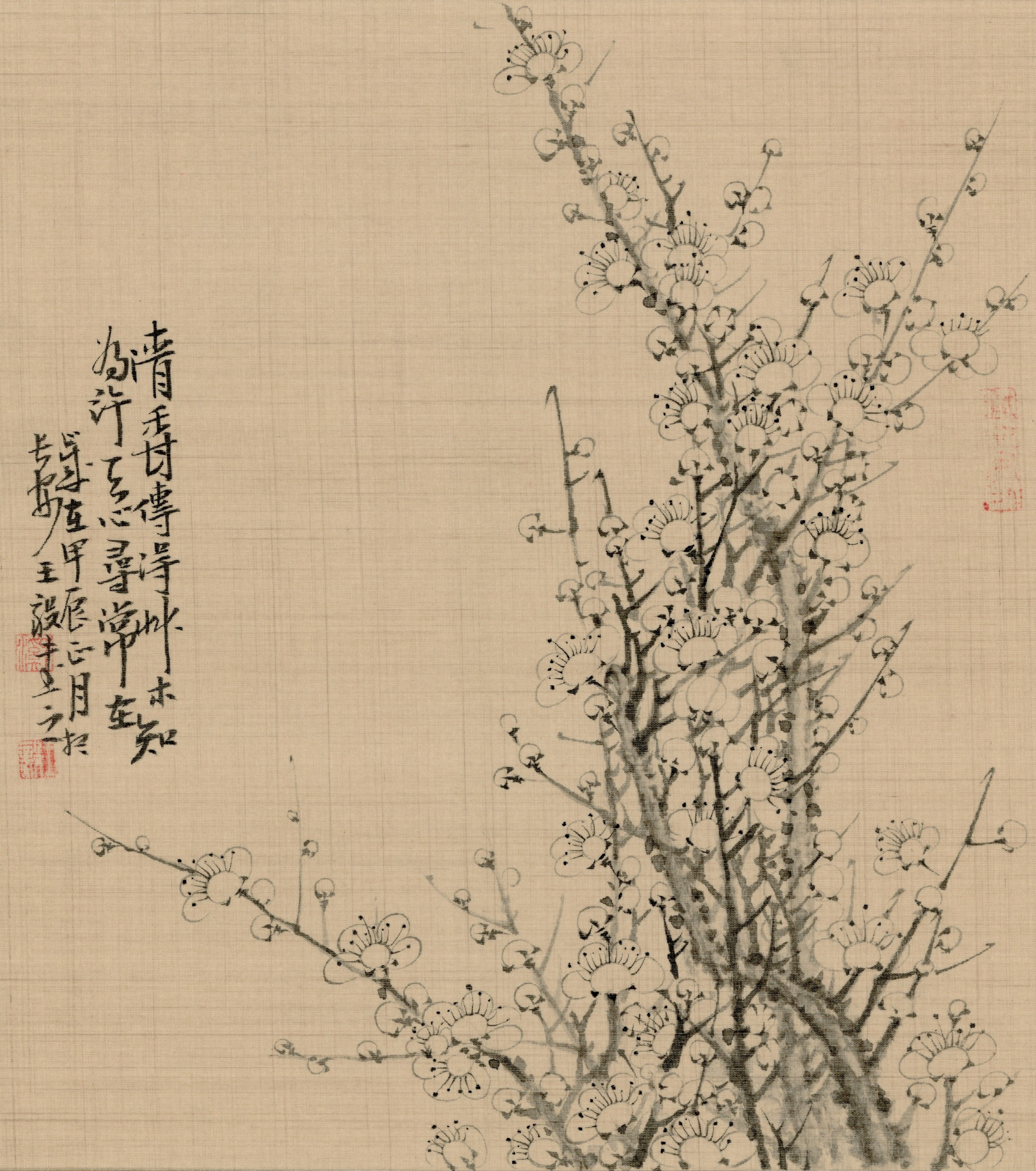
A defining characteristic of Wang's work lies in his command of brushwork. The ancient trunks are rendered with powerful strokes that suggest age, endurance, and accumulated experience, while younger branches extend with remarkable flexibility and elegance. These variations are not merely descriptive but fundamentally calligraphic. Deeply informed by the discipline of Chinese brush writing, his lines possess an internal energy that transforms the painted tree into a living extension of written expression. This close relationship between calligraphy and painting has been central to Chinese literati aesthetics for centuries, where the quality of a line is valued not simply for its appearance but for the spirit it embodies.
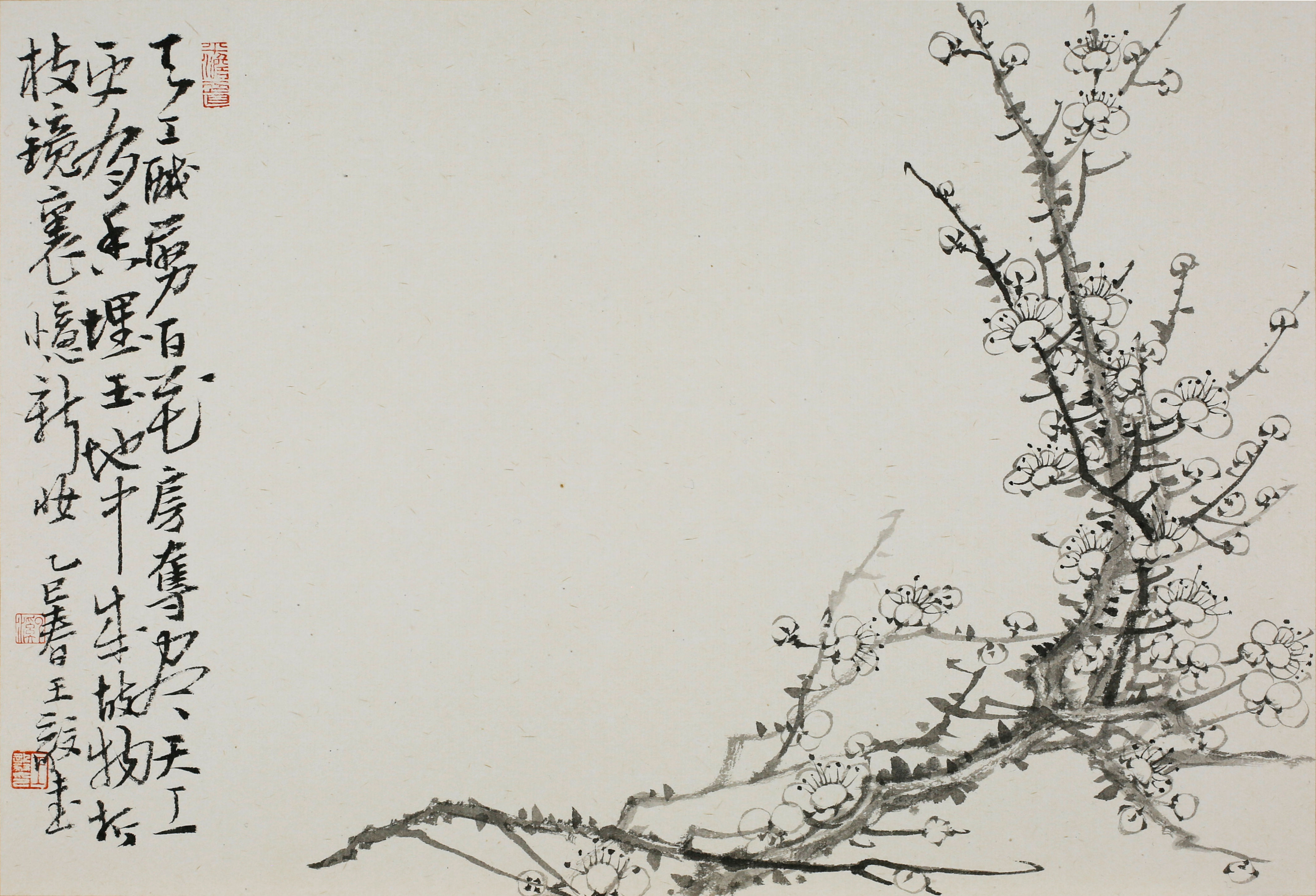
Equally compelling is Wang's treatment of the blossoms themselves. Executed with remarkable economy, the flowers emerge from only a few carefully placed strokes of diluted ink and subtle accents of darker tone. Their apparent simplicity reflects a sophisticated understanding of pictorial restraint. Rather than filling the composition with descriptive detail, Wang allows generous passages of untouched paper to remain active participants in the image. This principle of "using emptiness as form" has long distinguished Chinese ink painting from Western representational traditions, encouraging viewers to complete the visual experience through imagination and reflection.
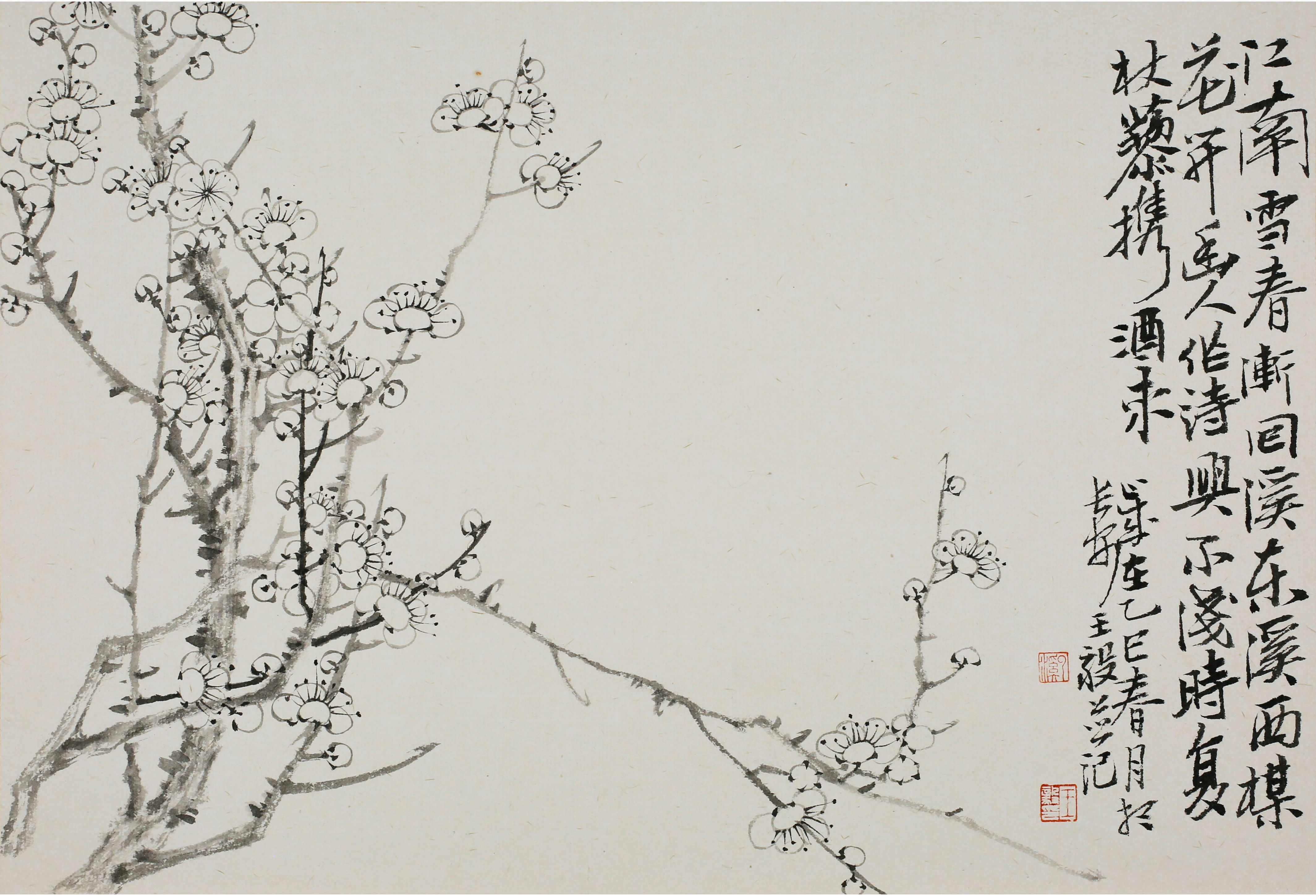
Another important aspect of Wang Yi's paintings is the harmonious integration of poetry, calligraphy, and seal carving. The inscriptions are not secondary additions but essential components of the composition, extending the visual rhythm established by the painted forms while enriching the intellectual and emotional content of the work. The red seals provide measured accents within the monochrome composition, balancing the visual weight of the image and reinforcing the unity of the traditional ideal known as the "Four Perfections"—poetry, calligraphy, painting, and seal art. In Wang's hands, these elements do not compete for attention but function together as a single artistic language.
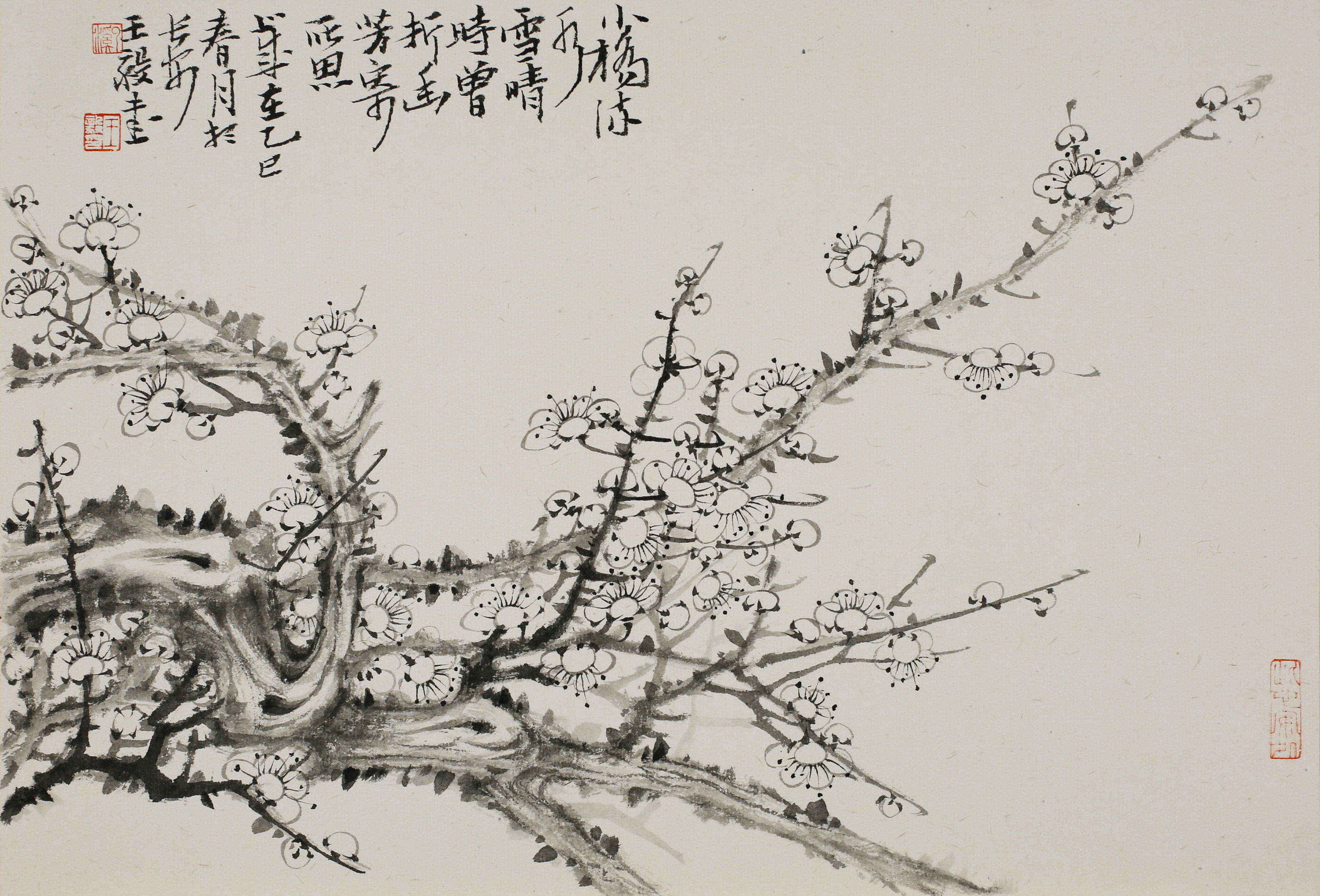
Although Wang Yi clearly inherits the legacy of earlier masters of ink plum painting, his work avoids imitation. One may recognize echoes of the Yuan dynasty literati tradition and the expressive freedom cultivated by later Ming and Qing painters, yet his paintings ultimately speak with an independent voice. Their compositions are more open, their visual language more concise, and their emotional tone quieter than many historical precedents. This restraint reflects not nostalgia for the past but confidence in the continuing relevance of classical ink painting as a living artistic practice.
In an age dominated by rapidly consumed digital imagery, Wang Yi's ink plum paintings offer an alternative mode of seeing. They ask viewers to slow down, to appreciate the subtle variation of a single brushstroke, the tension between ink and empty space, and the quiet dialogue between painting and poetry. Their significance lies not only in technical accomplishment but also in their ability to preserve and renew the philosophical spirit that has animated Chinese literati art for nearly a millennium.
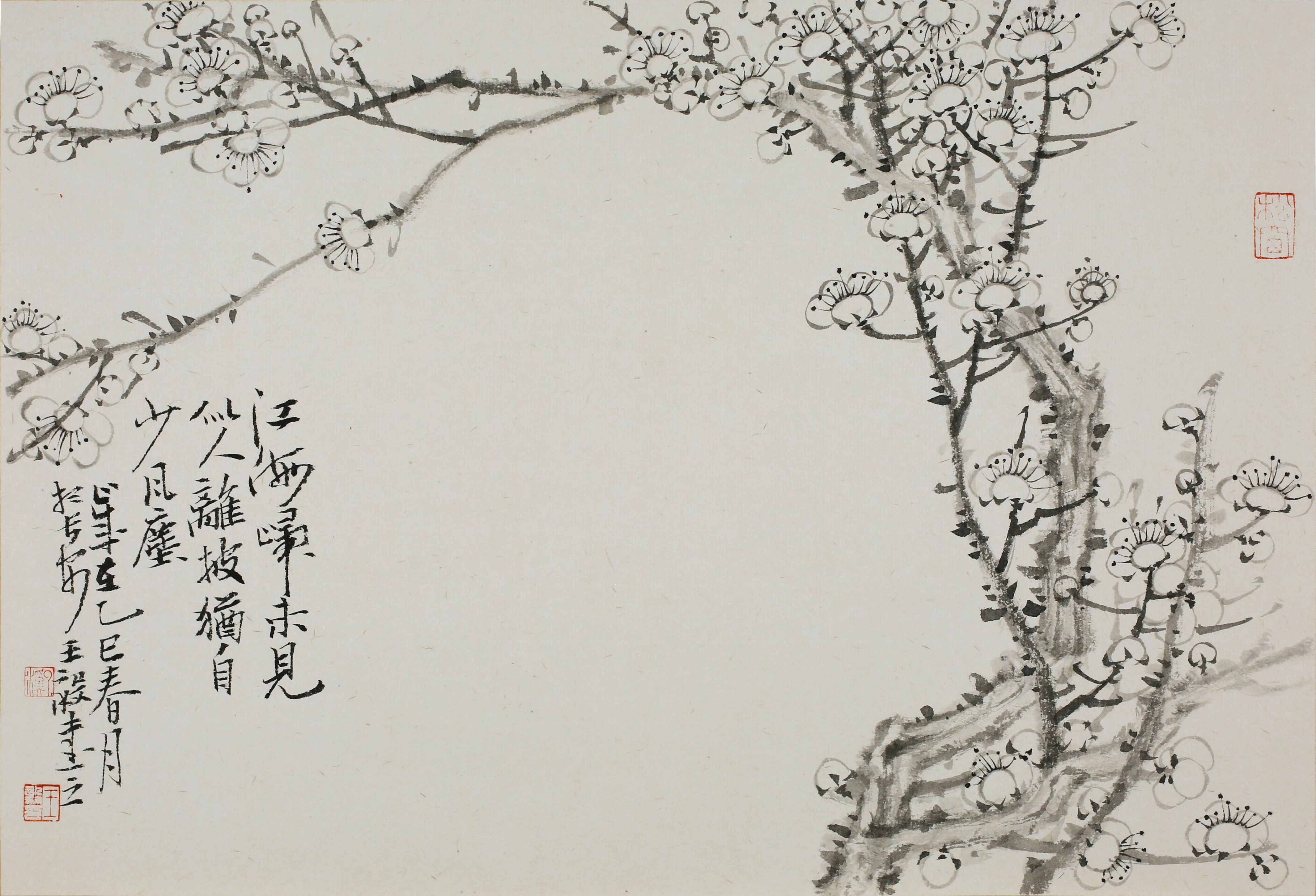
Ultimately, Wang Yi's ink plum paintings remind us that the enduring power of Chinese ink art does not reside in the faithful repetition of historical forms, but in the continual renewal of tradition through individual expression. His works demonstrate that the fragrance of the plum blossom is not confined to the natural world; it also lives within brush and ink, where the values of resilience, elegance, and inner cultivation continue to find meaningful expression for contemporary audiences.